Most people know that sugar is bad for teeth, but fewer realise that how often sugar reaches the mouth matters as much as how much you eat in total. The bacteria in dental plaque feed on sugars and produce acid as a byproduct. Each sugary exposure starts an acid attack on the enamel that can last for twenty minutes or more. A chocolate bar eaten in five minutes causes one attack; the same chocolate nibbled across an afternoon causes many.
This is why grazing and sipping patterns deserve attention. A sweetened drink nursed slowly through the afternoon, frequent biscuits between meals, or juice sipped over hours keeps restarting the acid process before the mouth has recovered. The goal is not to make food frightening or to ban every treat. It is to understand the routine, reduce repeated exposures where practical, and keep strong cleaning and fluoride habits in place.

How sugar leads to tooth decay
Decay is a process, not an event. Understanding its stages shows exactly where your daily habits can interrupt it.
Understand the acid attack cycle
Your mouth is never sterile — a thin film of bacteria called plaque coats the teeth within hours of brushing. When you eat or drink anything containing fermentable carbohydrates, which include table sugar, honey, fruit sugars, and even the starches in white bread and crisps, plaque bacteria convert them into acids within minutes. These acids dissolve minerals out of the enamel surface, a stage called demineralisation. Starchy snacks deserve attention for this reason: crisps and crackers that pack into the grooves of molars feed bacteria long after the packet is finished, much like sweets do.
Saliva then begins the repair. It dilutes and neutralises acids and carries calcium and phosphate minerals back into the enamel — remineralisation — aided by fluoride from toothpaste. A healthy saliva flow is therefore one of the teeth’s best defences, which is why conditions and medicines that dry the mouth raise decay risk noticeably. This attack-and-repair cycle runs constantly. Decay develops when attacks come so frequently that repair cannot keep up, and the enamel surface eventually breaks down into a cavity. The process takes months, which means today’s habits genuinely shape next year’s dental check-up.
Why frequency matters more than amount
Each separate sugary exposure restarts the acid clock. Three biscuits eaten together with lunch produce roughly one acid episode, largely contained within the meal. The same three biscuits eaten one at breakfast, one mid-morning, and one mid-afternoon produce three separate episodes, tripling the time your teeth spend under acid attack. Research consistently finds that the number of sugary occasions per day predicts decay better than the total grams of sugar eaten.
Drinks deserve special attention because sipping stretches one portion into hours of exposure. A large sweetened coffee finished in ten minutes is one episode; the same coffee sipped from nine until noon is effectively continuous exposure. Milk and plain water are the safest daytime drinks. Even sweetened teas marketed as healthy, and flavoured milk drinks, count as sugary exposures — the marketing does not change the chemistry in your mouth. Fizzy drinks add their own acidity on top of their sugar content, making them doubly erosive. Even fruit juice, often perceived as healthy, delivers a concentrated sugary acid bath — whole fruit, with its fibre and chewing, is kinder to teeth than the same fruit as juice. Hidden sugars deserve attention too. Sauces, breakfast cereals, flavoured yoghurts, and processed snacks often contain more sugar than their taste suggests. A quick look at the nutrition label — checking both total sugars and the ingredients list for syrups, honey, and concentrated juices — helps you spot them. You do not need to memorise every number; simply comparing two similar products and choosing the lower-sugar one is a practical skill that compounds over time.
Reshape everyday eating and drinking habits
Small structural changes to when and how you eat sweets reduce acid episodes without requiring heroic willpower.
Keep treats with meals
The single most effective habit is keeping sugary foods and drinks to mealtimes. During a meal, saliva flow is already high, which helps neutralise acids faster, and the treat becomes part of one acid episode instead of starting a new one. Dessert after lunch, a sweetened drink with dinner, or a biscuit alongside your afternoon tea all follow this principle. If your household runs on different schedules, the principle still works per person — what matters is that each person’s sweet exposures cluster around their own meals rather than scattering through their day.

Between meals, choose options that do not feed acid attacks: water, plain milk, cheese, nuts, raw vegetables, or plain yoghurt. Cheese is particularly tooth-friendly — it stimulates saliva and contains minerals that help protect enamel, which is why it makes an excellent end to a meal. Nuts are another strong choice: they require chewing, which boosts saliva, and they leave little sugary residue behind. If you crave something sweet between meals, having it and then rinsing with water is better than grazing on it for an hour, though keeping it to the next meal remains the better pattern.
Rethink sipping and grazing
Audit your drinking pattern honestly. Bottles of sweetened tea, flavoured water, energy drinks, or juice that travel with you through the day are among the most damaging habits for teeth because the exposure never stops. Office workers are especially prone to this pattern, with a bottle on the desk from morning to evening. Switching the daytime drink to plain water — keeping the sweetened drink to a mealtime if you still want it — removes hours of acid exposure in one move. If plain water feels boring, sparkling water without added sugars or acids is a better alternative than sweetened drinks, though plain still wins.
The same logic applies to grazing on sweets, dried fruit, or starchy snacks through the day. Dried fruit is especially sticky: it clings to tooth surfaces and feeds bacteria long after the handful is finished. If you enjoy it, have it with a meal and follow with water. For children, who often graze, structuring the day around defined meals and snacks rather than continuous access to sweet drinks and snacks protects their teeth enormously. Lunchboxes deserve the same thinking: a piece of fruit, cheese, or plain yoghurt makes a kinder school snack than a juice box with a biscuit, and children adapt to the routine quickly when the whole household follows it.
Strengthen the rest of your defences
Diet is only half the story. The mouth’s repair systems need support from cleaning and fluoride.
Fluoride and cleaning habits that help
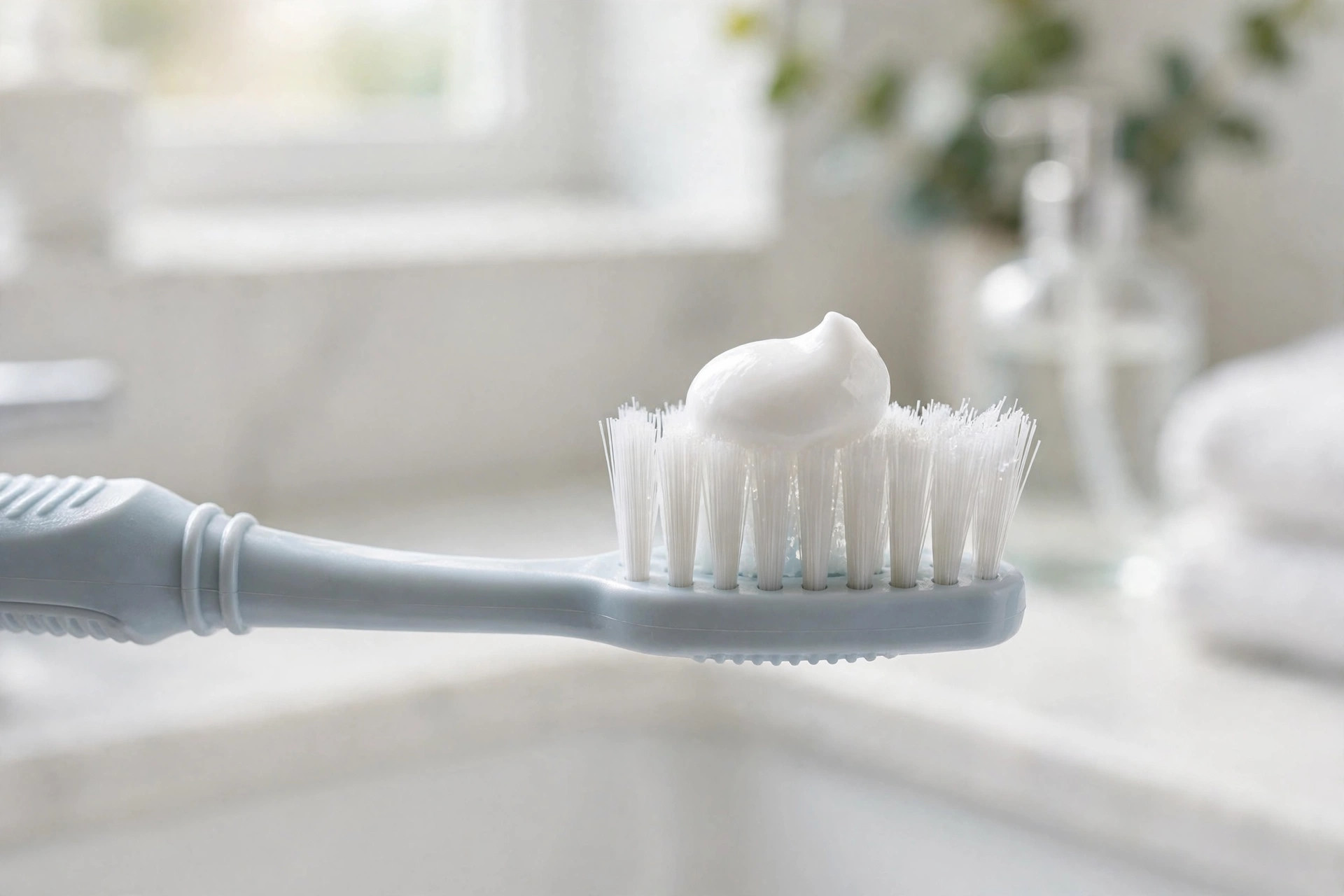
Brush twice daily with fluoride toothpaste, including last thing at night, and clean between the teeth daily. Fluoride makes enamel more resistant to acid and speeds up remineralisation between attacks — it is the reason the same diet causes less damage in a fluoride user than in someone who skips it. Communities with fluoridated water get an additional layer of protection, but toothpaste remains the main source for most people. Spit out the excess toothpaste after brushing rather than rinsing thoroughly, so fluoride keeps working.
Never brush immediately after something very acidic or sugary; the softened enamel benefits from thirty minutes of saliva repair first. Rinse with water in the meantime. Chewing sugar-free gum after meals boosts saliva flow, which is the mouth’s natural defence system working for you. Xylitol-containing gums add a small extra benefit, since xylitol is not fermented into acid by plaque bacteria the way ordinary sugars are.

See your dentist regularly even when nothing hurts. Early decay can be stopped or reversed before it needs a filling, but only if it is spotted in time. Ask about dental sealants for children or for adults with deep grooves in their molars — these thin protective coatings shield the chewing surfaces where decay most often starts and are quick and painless to apply. Tell your dentist honestly about your eating and drinking patterns — they have heard it all before, and accurate information leads to useful, personalised advice rather than a lecture. Combined with smarter sugar timing, these defences keep your teeth strong for decades.
It is not just what you eat but how you sequence it that matters for your teeth. Eating sweets as part of a meal is less harmful than snacking on them alone between meals, because mealtime saliva flow is higher and other foods help buffer acids. If you do have a sugary snack, follow it with water or a piece of cheese rather than brushing immediately — waiting about 30 minutes protects enamel softened by acid. Small timing tweaks like these add up to meaningful protection over the years.
Sources and further reading
The sources listed here back up the general health information in this guide. The examples and daily routines are practical illustrations — not personal medical advice.
This article is for general education only. It was created with AI assistance and has not been clinically reviewed. For guidance about your own situation, please speak with a qualified health professional.