A sharp, sudden feeling when cold water touches your teeth, or a zing from something sweet, is often described as sensitive teeth. That description names the sensation but not the cause. Exposed tooth surfaces, early decay, a small crack, receding gums, worn enamel, or a problem around existing dental work can all produce pain that feels like sensitivity but needs different care. Paying attention to the pattern of your symptoms gives your dentist the best clues — though it is no substitute for a proper diagnosis.
New, persistent, or worsening sensitivity deserves a professional assessment, especially when one particular tooth keeps reacting. In the meantime, understanding the likely triggers and protecting your teeth with gentle habits can reduce the discomfort and prevent the problem from getting worse.

Describe what you feel so the cause can be found
Dentists solve sensitivity like detectives: the details you provide point toward the cause. Vague reports lead to vague answers, so a little careful observation before your visit genuinely helps.
Note the trigger and how long it lasts
Different causes leave different fingerprints. Brief, sharp pain from cold that fades within seconds often relates to exposed dentine — the layer beneath enamel — through worn enamel or receding gums. Dentine contains thousands of microscopic tubules leading toward the nerve, which is why exposed dentine reacts so sharply to temperature. Sensitivity to sweet foods that passes quickly can accompany early decay or a leaky filling edge. Pain when biting or releasing pressure may suggest a crack or a problem with the way teeth meet. A dull ache that lingers for minutes after the trigger is gone is more concerning and should be assessed sooner.
Write down the specifics for a few days: which tooth or area, what triggered it (cold, heat, sweet, pressure, cold air), how long the feeling lasted, and whether it is getting more frequent. Also note the time of day — sensitivity that is worse in the morning can hint at night-time grinding, while sensitivity after meals points more toward dietary acids. Note whether it wakes you or appears without any trigger — pain without a trigger is a stronger reason to seek care promptly. This short log turns a vague complaint into a clear story your dentist can work with.
Check one tooth versus many
Sensitivity spread across many teeth, especially with cold, often points to generalised causes such as enamel wear from acidic drinks, aggressive brushing, or teeth grinding at night. Erosion from dietary acids typically shows as smooth, shiny worn areas, while abrasion from hard brushing leaves V-shaped notches near the gumline — your dentist can tell these patterns apart at a glance. A single tooth that reacts strongly while its neighbours feel fine is more suspicious for a local problem — decay, a crack, a damaged filling, or gum trouble around that specific tooth.
Recent changes matter here too. New sensitivity after a filling, crown, or dental procedure should be mentioned to the dentist who did the work, particularly if it is not settling after a couple of weeks. Sensitivity that appeared after you switched to a whitening toothpaste or started a new habit like frequent lemon water or vinegar drinks may have an identifiable, reversible cause. Some people also notice sensitivity linked to night-time grinding or clenching, which wears enamel and can create tiny cracks — clues include waking with a sore jaw, morning headaches, or a partner who hears grinding at night. A custom night guard spreads the forces and protects the teeth while you sleep. Thinking honestly about what changed recently often reveals the answer.
Protect sensitive teeth day to day
While the cause is being identified, gentle daily habits can reduce the sting and protect enamel from further wear.
Keep brushing gentle and even
Hard brushing wears enamel and pushes gums back, exposing the sensitive root surfaces — two of the most common contributors to sensitivity. Use a soft-bristled brush with light pressure and short strokes, and avoid scrubbing the gumline aggressively. An electric brush with a pressure warning can help if you tend to bear down.
A toothpaste designed for sensitive teeth can reduce symptoms for many people. These usually contain ingredients such as potassium nitrate or stannous fluoride that calm the nerve response or block the tiny channels in exposed dentine. They need consistent use — typically twice daily for at least two weeks — before you judge the effect, and they manage symptoms rather than fixing causes like decay or cracks. Whitening toothpastes deserve caution here: many are more abrasive than standard pastes, and daily use on already sensitive teeth can worsen the problem. If you want whiter teeth, discuss professional options with your dentist instead of scrubbing harder with an abrasive paste. Keep using fluoride toothpaste of some kind, since fluoride protection still matters. Spit out the excess after brushing rather than rinsing thoroughly, so the active ingredients stay in contact with the teeth longer.
Watch acidic foods and drinks
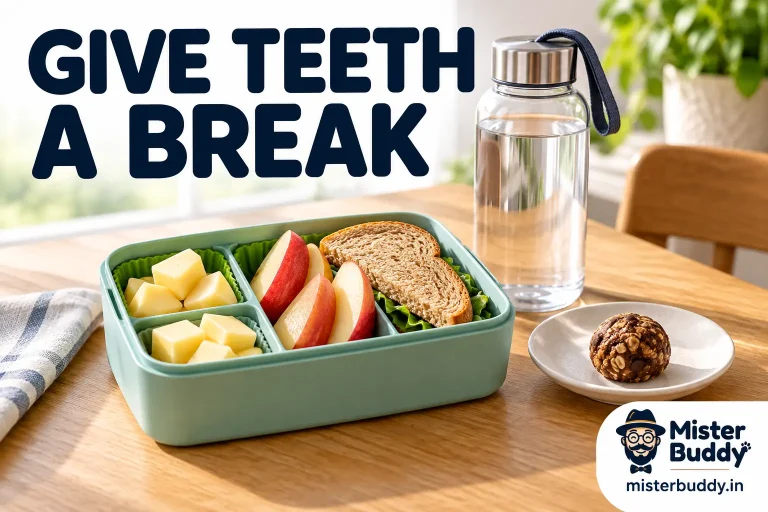
Acid softens enamel, and frequent acid exposure wears it away over time, leaving teeth more sensitive. The usual suspects include fizzy drinks, citrus juices, sports drinks, wine, and frequent snacking on sour sweets. It is the pattern that matters most: sipping an acidic drink slowly over hours bathes the teeth in acid far longer than finishing the same drink quickly with a meal.
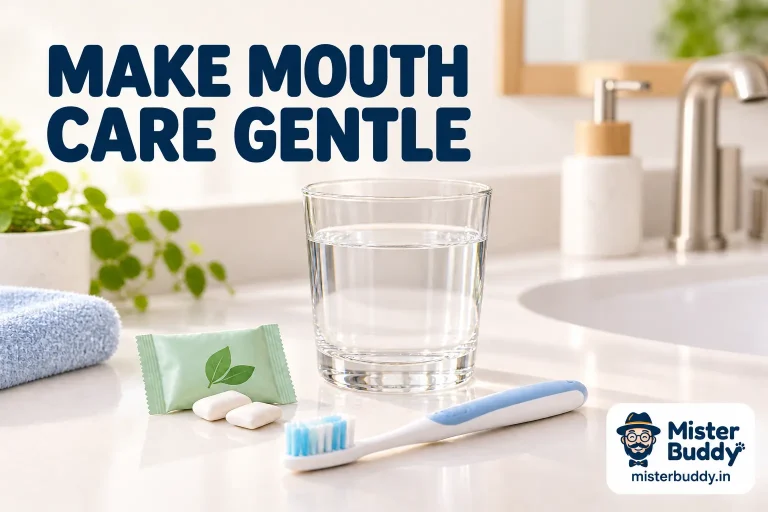
You do not need to eliminate everything enjoyable. Practical steps include keeping acidic drinks to mealtimes, finishing them in one go rather than sipping all afternoon, and waiting at least thirty minutes after an acidic drink or meal before brushing — brushing softened enamel can wear it away faster. Rinsing with plain water after something acidic helps dilute the acid. Chewing sugar-free gum after meals stimulates saliva, which naturally neutralises acids and carries minerals back to the enamel. Reflux is another hidden acid source worth mentioning: stomach acid reaching the mouth, especially at night, erodes the inner surfaces of teeth over time. If you have frequent heartburn or a sour taste on waking, mention it to both your doctor and your dentist, since protecting the teeth and treating the reflux go hand in hand.

Get the right help at the right time
Home measures can manage the symptoms, but only a dental assessment can identify the actual cause. Knowing when to book — and what to expect — makes the visit productive.
When a dental visit should not wait
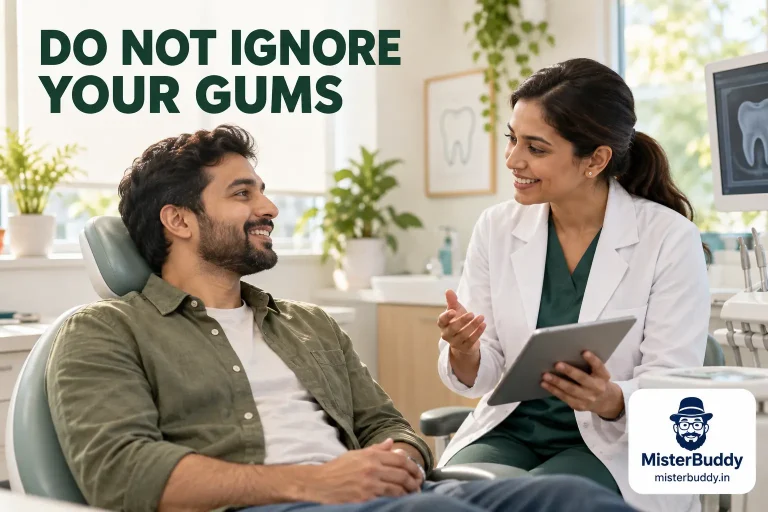
Book an appointment if sensitivity is new and persistent, affects one tooth repeatedly, lingers long after the trigger, includes pain when biting, or is getting worse week by week. Pain that appears without any trigger, swelling, or sensitivity after an injury to the mouth also warrants prompt attention. These patterns can signal decay reaching deeper layers, a crack, or nerve involvement that home care cannot resolve.
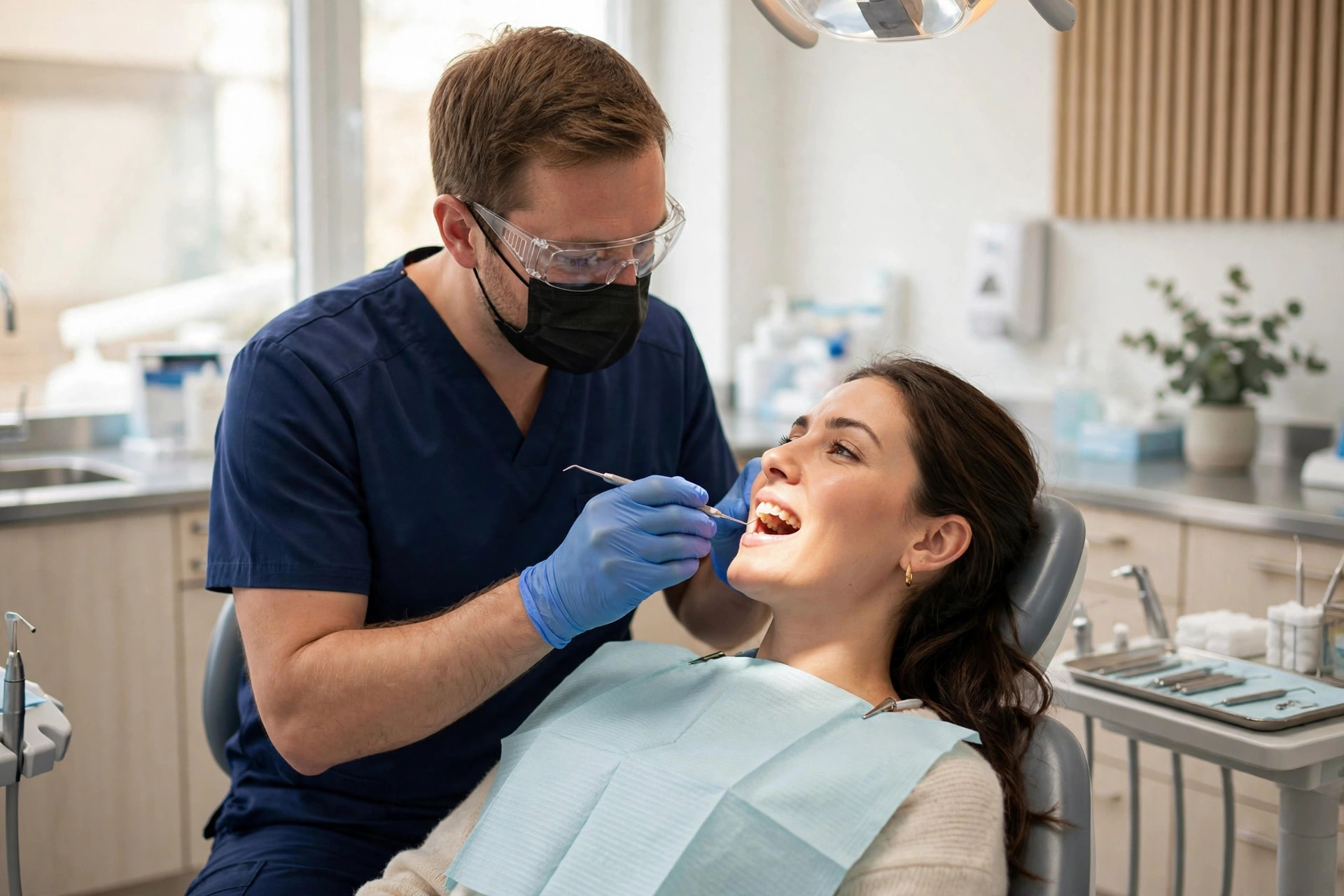
At the visit, share your symptom log and mention all relevant history: grinding or clenching (especially at night), reflux, eating disorders, the products you use, and any recent dental work. Eating disorders involving frequent vomiting deserve an honest mention, since stomach acid causes severe erosion that needs both medical and dental care — dentists are trained to handle this conversation sensitively and confidentially. The dentist may test individual teeth with cold or gentle pressure to locate the source. Depending on the cause, treatment might be as simple as a fluoride application, advice on technique, a night guard for grinding, or repair of a damaged filling — or it might address decay or a crack directly. A professional fluoride varnish painted onto sensitive areas can calm symptoms for months and is quick and painless. For exposed root surfaces from gum recession, your dentist may suggest a bonding material that seals the area. These in-surgery options go beyond what any toothpaste can do, which is why persistent sensitivity is worth the visit rather than years of coping.
Prepare for the visit by listing your questions in advance and describing how the sensitivity affects daily life — avoiding cold drinks, chewing on one side, or dreading the dentist’s cold spray. It also helps to note what you have already tried, such as a sensitivity toothpaste and for how long, so the dentist does not repeat steps you have covered. Clear communication helps the dentist prioritise. Most causes of sensitivity are treatable, and the earlier they are identified, the simpler the treatment tends to be.
If sensitivity strikes suddenly or affects just one tooth, get it checked promptly rather than just switching toothpaste. A cracked tooth, a lost filling, or a cavity can all cause sharp sensitivity that needs a dentist’s attention. Note when the pain happens — with cold, heat, sweets, or pressure — because these clues help your dentist diagnose the cause faster. Catching problems early usually means simpler treatment.
Sources and further reading
The sources listed here back up the general health information in this guide. The examples and daily routines are practical illustrations — not personal medical advice.
This article is for general education only. It was created with AI assistance and has not been clinically reviewed. For guidance about your own situation, please speak with a qualified health professional.