
Constipation means more than simply going less often. Hard or lumpy stools, straining, feeling that a bowel movement is incomplete, or needing to go but being unable to may all be part of the picture. Normal patterns vary widely — anywhere from three times a day to three times a week can be normal for different people — so the key question is whether your pattern has changed from what is usual for you.
Everyday habits help many cases: fibre, fluids, movement, and unhurried toilet time resolve a large share of mild constipation. But habits do not explain every case. Medicines, medical conditions, and other factors can be involved too — and persistent constipation or worrying symptoms deserve a professional opinion rather than repeated experiments with stronger products. Start with the small, safe changes below, and know clearly when to seek advice instead.
Understand your own pattern first
Before changing anything, spend a few days noticing what is actually happening. Guessing leads to the wrong fix — for example, adding lots of fibre when the real issue is ignoring the urge to go.
What counts as constipation
Doctors generally describe constipation as some combination of infrequent bowel movements, hard stools, straining, a sense of incomplete emptying, or a feeling of blockage. Some people also experience bloating or abdominal discomfort alongside it. Occasional difficult days during travel, illness, or a disrupted routine are common and not usually a concern — the gut is sensitive to routine changes and usually recovers on its own. The pattern matters more than any single day: symptoms occurring regularly over weeks point to something that needs addressing.
Notice the stool itself as well as the frequency. Very hard, pellet-like stools suggest slow transit and often respond to fibre and fluids. Straining with a persistent feeling of incomplete emptying can sometimes relate to how the pelvic floor muscles coordinate, which is a different problem that fibre alone may not fix — physiotherapy with a pelvic-health specialist helps some people with this pattern. These distinctions help a professional give useful advice if you end up seeking it, so a few days of honest observation is time well spent.
Note recent changes
Think about what changed around the time the problem started. New or changed medicines are a very common cause — painkillers containing codeine, some antidepressants, iron supplements, certain blood pressure medicines, and antacids with aluminium or calcium frequently cause constipation. If the timing matches a new prescription, tell your doctor or pharmacist rather than simply suffering through it; dose adjustments or alternatives are often possible.
Other triggers include travel, a new work schedule that disrupts toilet timing, reduced activity during illness or recovery, stress, and deliberately postponing bowel movements because the toilet is inconvenient. Shift workers often struggle because irregular hours disrupt the bowel’s natural rhythm — keeping as consistent a morning routine as the roster allows helps. Low fluid intake and a sudden drop in fibre can contribute, but constipation often has more than one cause at a time. A short note covering medicines, routine changes, diet shifts, and stress gives you a clear picture — and gives any professional you consult a head start.
Small changes that may help
These are the safe, everyday measures worth trying first. Give each change a fair trial of a week or two before judging it, and introduce changes one at a time so you can tell what helps.
Add fibre gradually
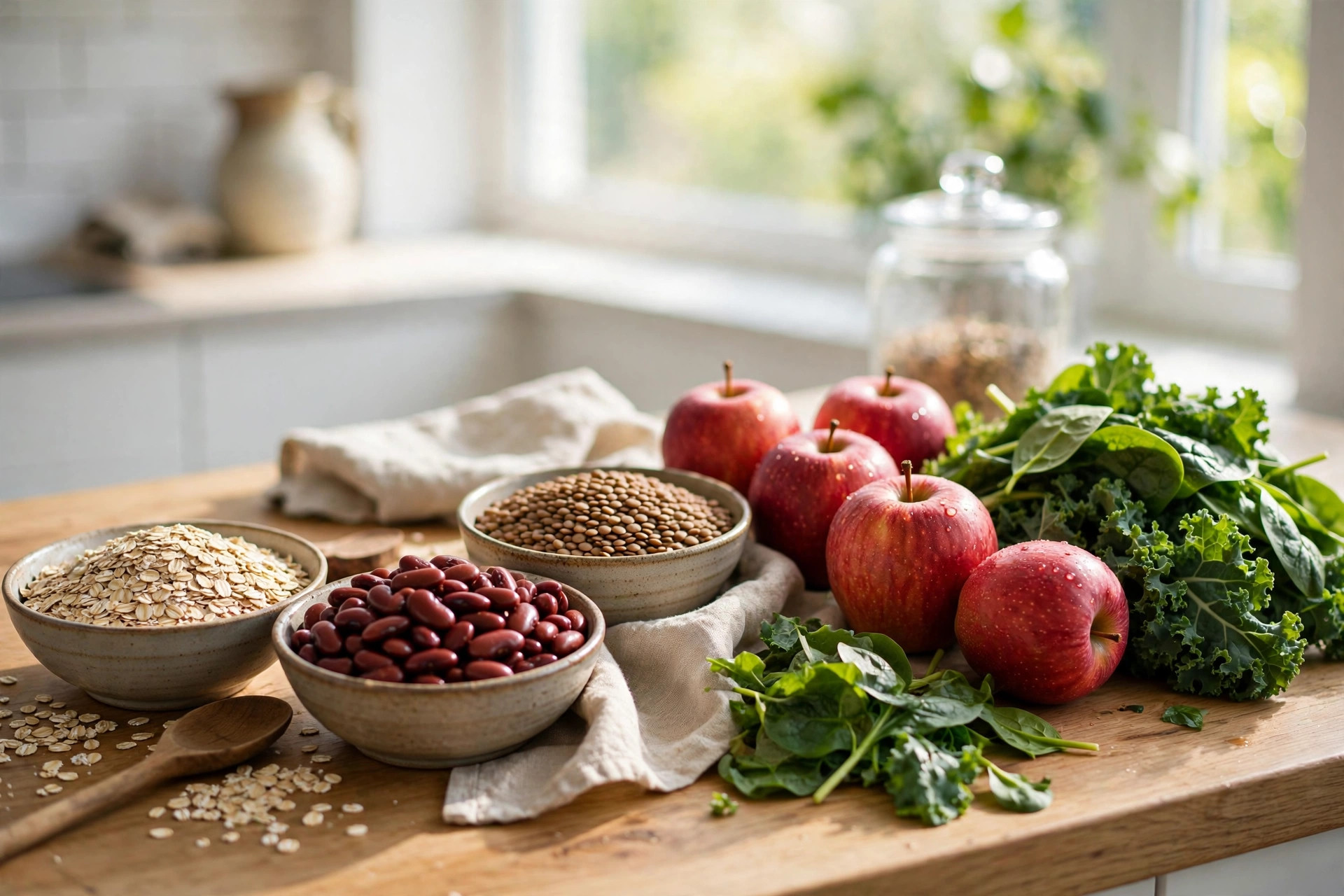
Fibre adds bulk and softness to stools, but the keyword is gradually. A sudden large increase — for example, jumping from almost no fibre to bran-heavy meals overnight — often causes bloating, gas, and cramping that make people abandon the effort. Instead, add one fibre-rich element at a time: a bowl of oats at breakfast, lentils or beans in a meal, an extra vegetable portion, fruit with its skin, or a small handful of nuts. Legumes are among the most fibre-dense foods available — a cup of cooked lentils or chickpeas delivers a large share of the daily target in a single affordable serving. Whole fruits beat fruit juices for fibre, since juicing removes most of it along with the chewing that aids digestion.
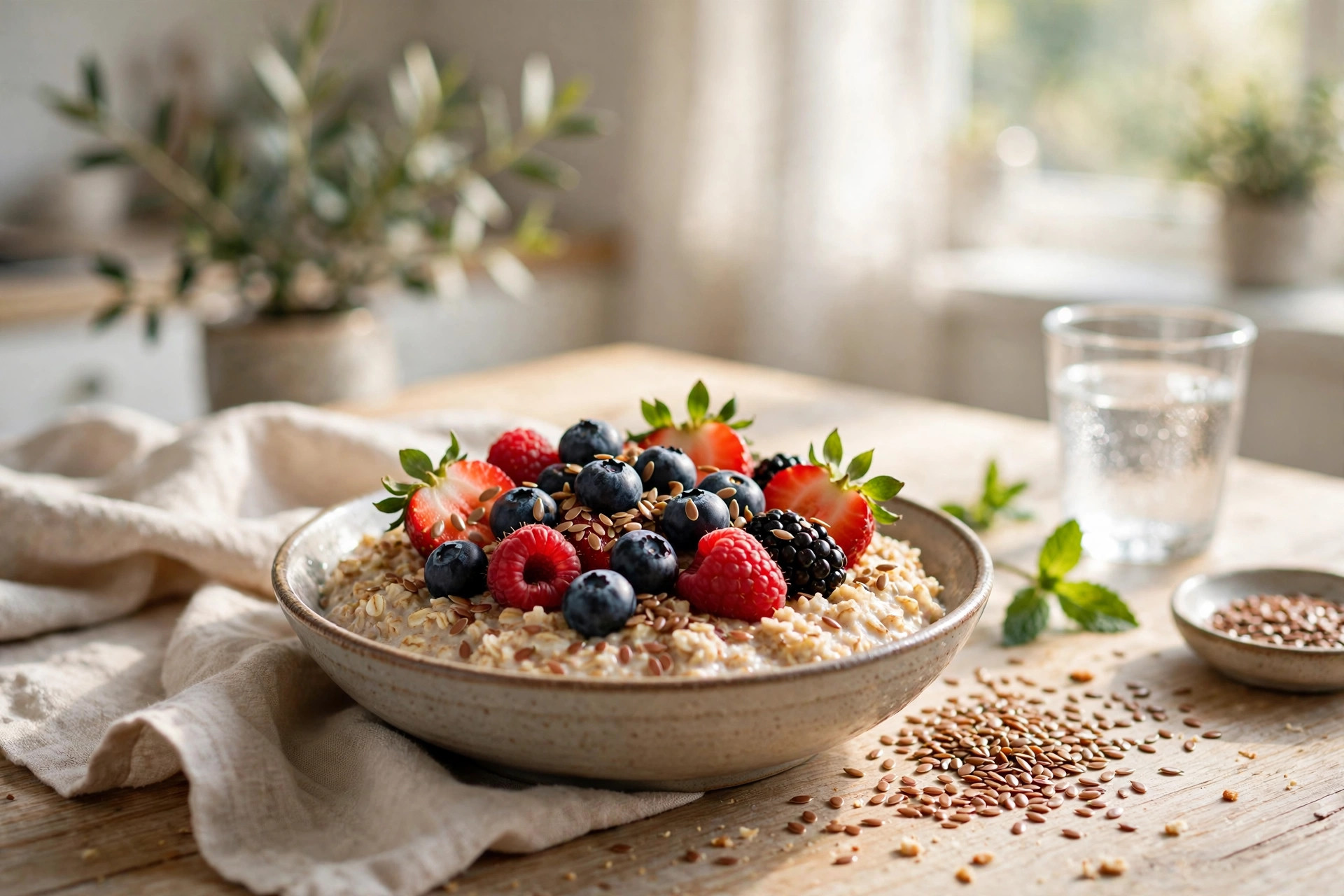
Aim to build toward the general guidance of around 25 to 30 grams of fibre a day, but treat that as a direction rather than a daily exam. Different fibre types help in different ways, so variety across whole grains, legumes, vegetables, and fruit beats a single supplement. Fibre supplements such as psyllium husk can help if food sources are difficult — start with a small dose, take it with plenty of water, and increase slowly. As with food fibre, the supplement needs fluid to work properly, and taking it without enough liquid can worsen constipation. Increase your fluid intake alongside the fibre — fibre without enough fluid can make stools harder rather than softer. If bloating is uncomfortable at any stage, hold at the current level for a few days before increasing further.
Fluids and movement in context
Drink enough that you are not thirsty through the day and your urine is a pale straw colour. For most people this means roughly six to eight glasses of fluid daily, though needs vary with climate, activity, and body size. Hot weather and physical work raise needs noticeably, while a cool sedentary day needs less — let thirst and urine colour guide you rather than a rigid number. Water is the simplest choice; there is no need for special drinks. Very large forced volumes beyond thirst are unnecessary and can be unhelpful.
Ordinary movement supports bowel function. You do not need intense exercise — a daily walk, gardening, cycling, or any activity you can repeat consistently helps. Core and abdominal exercises do not directly push the bowel along, but general activity and the posture changes it brings support healthy gut movement. If you are recovering from illness or surgery and cannot move much, mention the constipation to your care team, since inactivity plus pain medicines is a classic combination. Also respond to the urge to go promptly rather than postponing; repeatedly ignoring the signal trains the bowel to signal less. Give yourself unhurried toilet time, ideally after a meal when the bowel is naturally more active — many people find the after-breakfast window most reliable. A small footstool that raises your knees above your hips mimics a squatting posture and can make passing stools easier. Avoid straining hard — relaxed, unrushed sitting works better than force.
Know when to seek advice
Home measures suit mild, recent, uncomplicated constipation. Certain situations call for professional assessment instead of continued self-management.
Warning signs and medicine review
Seek medical advice promptly if constipation comes with blood in the stool, black tarry stools, unexplained weight loss, severe or persistent abdominal pain, vomiting, or an inability to pass gas along with a swollen abdomen. A sudden, marked change in bowel habit that persists for several weeks, especially in middle age or later, also deserves assessment. These can signal conditions that need diagnosis, not home remedies.

Even without warning signs, see your doctor if constipation persists beyond a few weeks despite the measures above, or if you find yourself relying on laxatives regularly. Older adults should seek advice sooner rather than later, since new persistent constipation in later life deserves evaluation. Occasional short-term laxative use for a difficult episode is different from a routine — but frequent use can create dependency, disturb fluid and salt balance, and mask underlying issues that need diagnosis. Bulk-forming and gentle osmotic laxatives are generally considered milder for occasional use than stimulant types, yet even these deserve a pharmacist’s or doctor’s guidance on choice and duration. Bring your notes on pattern, medicines, and what you have tried — this turns the appointment from guesswork into problem-solving.

Never stop a prescribed medicine because of constipation without medical guidance. Many constipating medicines treat important conditions, and stopping suddenly can be risky. Your doctor can often adjust the approach while keeping your treatment safe. With the right combination of habit changes and timely professional input, most constipation improves — and you will know your own pattern well enough to catch future episodes early.
Establishing a regular toilet routine helps more than most people expect. Try to visit the bathroom at the same time each day — after breakfast works well because eating triggers natural bowel movements. Give yourself unhurried time and avoid straining, which can cause other problems. A small footstool that raises your knees above your hips puts your body in a more natural position and can make things noticeably easier. Consistency trains your body to cooperate.
Staying hydrated throughout the day supports everything above.
Small, consistent changes beat occasional big efforts every time.
Sources and further reading
The sources listed here back up the general health information in this guide. The examples and daily routines are practical illustrations — not personal medical advice.
This article is for general education only. It was created with AI assistance and has not been clinically reviewed. For guidance about your own situation, please speak with a qualified health professional.