
Sleep Better at Night: Everyone desires a refreshing morning that follows a good night’s sleep, yet the hectic pace of modern life presents numerous obstacles that affect our sleep quality. If you have arrived here in search of natural ways to achieve better sleep, we are confident that you will not be disappointed after reading this blog post.
Good sleep is essential for our health because it improves brain function, boosts mood, strengthens immunity, supports heart health, and helps your body recover and recharge.
If you plan your day well and pay attention to your body’s needs—such as when to sleep and what to do (or avoid doing) before bedtime—your sleep at night will certainly improve.
What Causes Poor Sleep Quality and its impact on your body?
When it comes to poor sleep, the primary culprits include eating heavy meals at night, exposure to blue light from screens late at night, and high caffeine intake. These are common factors that disrupt people’s sleep and prevent them from sleeping well at night.
However, if you pay a little attention to things like your daily activities, the type of food you eat, and the amount of coffee you consume, you won’t face any issues with your sleep.
Poor sleep has a detrimental effect on the body, preventing it from getting adequate rest, which can lead to fatigue, irritability, and difficulty concentrating. A prolonged lack of quality sleep can adversely affect the health of both the body and the mind.
Best Ways to Sleep Better at Night Naturally
Our team has conducted extensive research and compiled some of the best methods for you to follow to significantly improve your sleep. While some people take medication to address sleep issues, it is best to do so only upon a doctor’s advice.
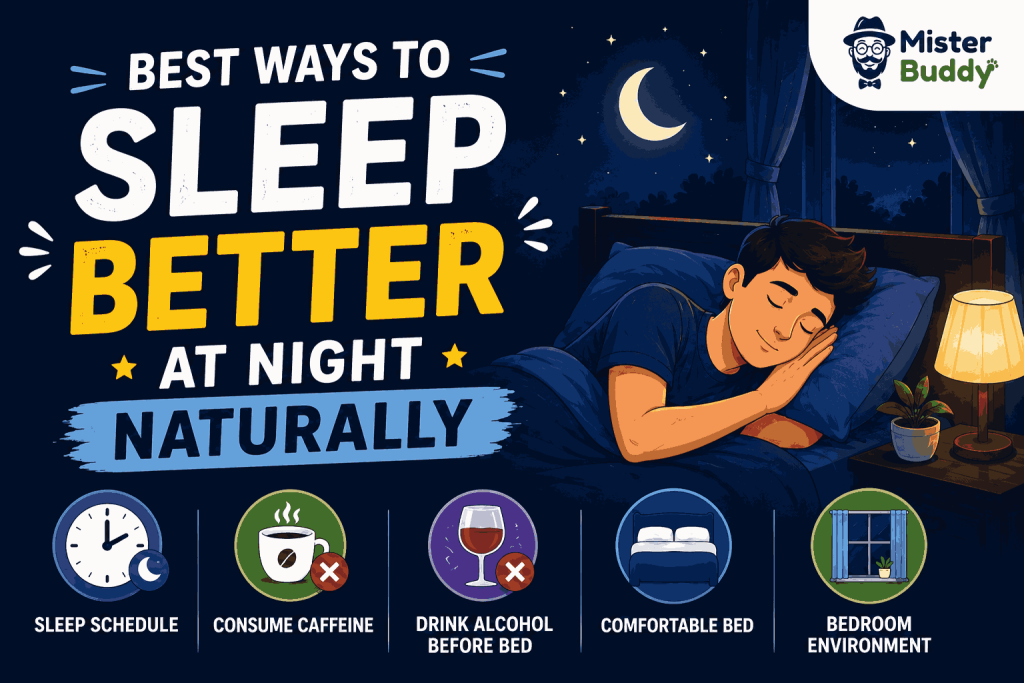
Sleep Schedule
People’s sleep schedules often get disrupted due to the demands of the day, as they frequently sacrifice sleep for work; however, to ensure quality sleep, we need to incorporate a full eight hours into our routine, allowing our bodies to feel healthy and refreshed.
Stay away from mobile phones, computer screens, and similar devices for two hours before going to bed, and try to keep them at a distance while sleeping to avoid any disturbances. You may face some difficulty falling asleep initially, but it will gradually become a part of your routine.
Make it a rule to go to bed at 10 PM and try to wake up early in the morning; you only need to do this for seven days, and your body will naturally adapt to this sleep schedule.
Consume Caffeine
Consuming it in the morning might make you feel refreshed; however, if you drink it at night, the caffeine found in coffee, tea, energy drinks, and certain soft drinks keeps the brain active for an extended period, potentially making it difficult to fall asleep. Try to avoid consuming drinks containing caffeine before going to bed.
- [ Best 5 ] Weight Loss Exercise For Male And Female
- Increase Height Naturally After 21: Myth or Reality?
However, if you feel the urge to have something to drink before going to bed at night, consuming herbal tea, warm milk, or other caffeine-free beverages can be a better option; these can also help you fall asleep faster.
Drink Alcohol Before Bed
Even a single sip of alcohol can severely disrupt your entire sleep cycle; while some people believe that drinking alcohol before bed helps them fall asleep, it merely creates an intoxicated sensation while actually breaking the sleep cycle.
It might feel good initially, but later it can have negative effects on your body, such as dehydration and fatigue the next morning. Over the long term, this habit can negatively impact both physical and mental health.
Comfortable Bed
Simply managing sleep cycles or avoiding caffeine at night isn’t enough for a good night’s sleep; a major factor is your mattress being too firm or too soft, or your pillow failing to provide proper support. If your body isn’t fully supported and comfortable, you won’t be able to get optimal sleep throughout the night.
Choosing the right mattress and pillow is crucial for a good night’s sleep; the mattress should be neither too soft nor too hard, and the pillow should be comfortable for your neck, helping you sleep better.
Bedroom Environment
If there is even the slightest disturbance regarding noise, proper ventilation, or room temperature reaching the bedroom, it can significantly affect your sleep.
Before going to sleep, turn off the lights or dim them, keep mobile phones and other electronic devices away, and maintain a comfortable room temperature. Room temperature is crucial for a good night’s sleep; otherwise, the body does not get complete rest, which can lead to feelings of fatigue and lethargy the next morning.
Frequently Asked Questions
How many hours of sleep do adults need?
A minimum of 8 hours of sleep is essential, but extending it to 10 hours would be a better option.
What are the common causes of poor sleep quality?
High stress, excessive screen time (especially before bed), consuming caffeine (via tea or coffee) late at night, heavy meals, alcohol, and irregular sleep schedules—these are some of the most common causes of poor sleep.
What is the best time to sleep at night?
Scientists have identified the 10 PM to 11 PM window as the most beneficial time for sleep; incorporating this into your schedule can support your natural sleep cycle.
Making a few simple changes—such as maintaining a regular sleep schedule, avoiding caffeine and electronic devices before bed, and creating a comfortable sleeping environment—will help improve your sleep and keep your body active the next morning.