
A sweet drink can slip into the day almost unnoticed. Your morning tea might contain sugar, lunch could include a soft drink, and a packaged juice might come along on the way home. Each choice feels small, but together they can form a regular pattern.
Changing that pattern does not require a complete diet reset. Start with the drink you have most often, understand what makes it convenient and choose an alternative you are willing to repeat. A manageable change is more useful than a strict rule that lasts two days.
This guide focuses on everyday habits for adults. If you have diabetes, a fluid restriction or another prescribed plan, use that advice when choosing drinks. A general suggestion should fit around your individual health needs.
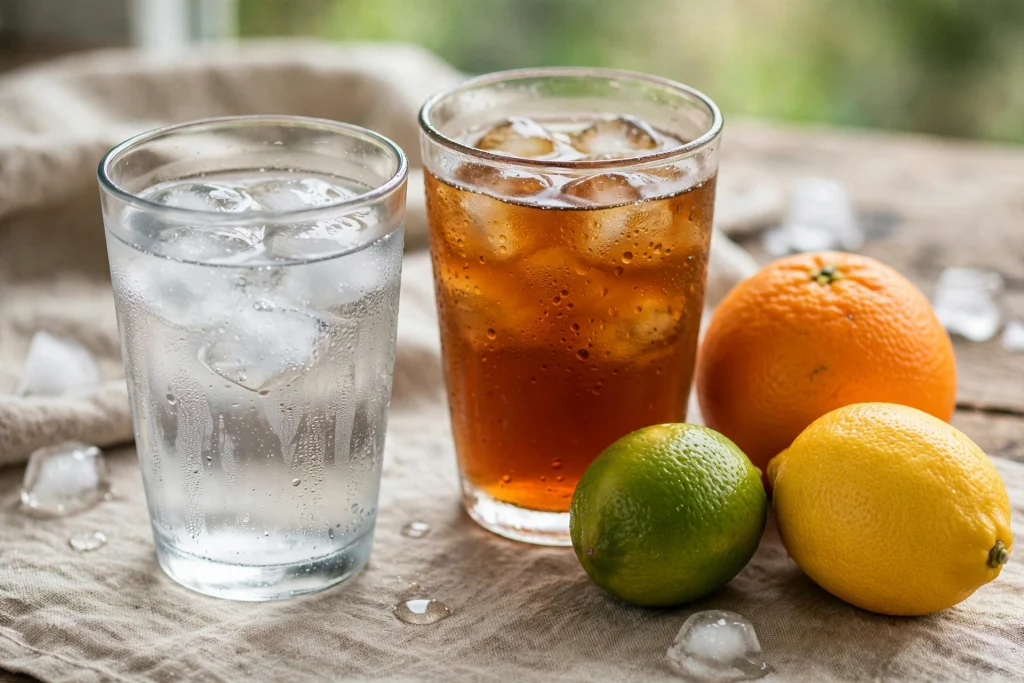
Notice your drinks before changing them
For a few days, pay attention to what you drink and when. Include tea or coffee made at home, drinks bought outside, energy drinks, flavored milk and juice. You do not need to record every sip permanently; a short look at the pattern is enough to begin.
The aim is to find the easiest useful change. Perhaps the largest sweet drink appears during your commute. Maybe several cups of tea each have sugar added. Maybe you buy a drink mostly because you did not bring one with you.
Include the sugar you add yourself
A nutrition label cannot tell you how much sugar you put into homemade tea. Notice the spoon you use and how often you add it. A habit that feels small per cup can repeat several times across the day.
You do not need to feel guilty about the observation. You are just spotting a place where change is possible. If tea matters to your routine, cutting the added sugar little by little may be easier than giving up the drink entirely.
Look at the full container
A bottle may contain more than one listed serving. If you usually finish it, read the information for the amount you actually drink. Comparing only the front label can hide that difference.
Also notice the size you order outside. A large cup may feel normal because it is the standard offer, not because you particularly want that much. Choosing a smaller size can be a practical step even before you change the type of drink.
Understand the sugar terms without getting lost
Labels may distinguish total sugars from added sugars. Total sugars can include sugars naturally present in ingredients, while added sugars are introduced during preparation or processing. The exact label format depends on the country and product.
The ingredient list and nutrition panel are usually more useful than words such as natural, energy or vitamin. A drink can carry a health-related image while still being a frequent source of sugar in your routine.
Juice is different from whole fruit
Fruit juice may contain no added sugar, but that does not make it the same as eating whole fruit. Juice contains free sugars and can be consumed quickly. NHS guidance treats juice and smoothies as drinks to limit, rather than unlimited replacements for water.
If you want fruit as a snack, whole fruit is usually a more practical everyday choice. You can still make room for a small amount of juice according to your overall diet, but it need not be the drink you use whenever you are thirsty.
A sweet taste does not tell the whole story
Some drinks use low-calorie sweeteners, and others contain different mixtures of ingredients. Read the label instead of assuming you know the sugar content from the taste or packaging.
You do not have to settle every debate about sweeteners before changing a daily soft drink habit. Water or another fitting unsweetened drink can be a simple choice. If a lower-sugar product helps you shift gradually, think about where it fits in your broader routine.
Select a single change you can sustain
Choose a concrete action instead of a vague intention to be healthier. You might replace the afternoon soft drink with water, order a smaller sweet coffee or reduce the sugar added to one daily cup of tea.
Keep the action modest enough to fit a hectic day. Altering every drink simultaneously might look straightforward in theory, yet it leaves you juggling multiple new habits. A single well-defined change is simpler to recall and assess.
Align the change with why you purchase the drink
When travel thirst is the issue, bring an appropriate drink. If the drink accompanies a social pause, pick a substitute available at the same venue. If it serves as an after-work treat, consider what you value about the occasion beyond the taste.
A useful plan solves the real situation. Telling yourself to have more discipline may not help if the only drink available during your commute is the one you are trying to reduce.
Decide what counts as a workable first step
Your first step does not have to be the final version of the habit. A smaller serving, less added sugar or fewer repeat purchases can all be progress toward a pattern you prefer.
For example, someone drinking two sweetened coffees might begin by changing one. Another person may find it easier to keep the same cup size but ask for less syrup. Choose a change you can describe clearly and carry out consistently.
Make water easier to choose
Water is a simple everyday option. Keep it available where you spend time and choose a temperature you enjoy. Some people find chilled water more appealing, while others prefer it at room temperature.
If you like flavor, a slice of fruit may make water more pleasant. Avoid turning this into a complicated recipe that needs several ingredients every morning. The purpose is to make the routine easier, not to create another task.
Prepare for work and travel
Fill a refillable bottle before leaving, or find out where safe drinking water is available. If carrying a large bottle is inconvenient, choose a size that fits your bag and routine.
At work, keep a glass or bottle within easy reach where allowed. If you often forget to drink, link it to ordinary breaks. You do not need to force large amounts, and a prescribed fluid limit should always take priority.
Keep a convenient option at home
If a sweet drink is always cold and ready while water is not, convenience may influence the choice. Keep a suitable alternative ready in the refrigerator or place a clean glass where you normally prepare food.
You can also change how much of a sweet drink is immediately available. Buying an amount that matches an occasional plan may work better than storing a large supply that becomes the default at every meal.
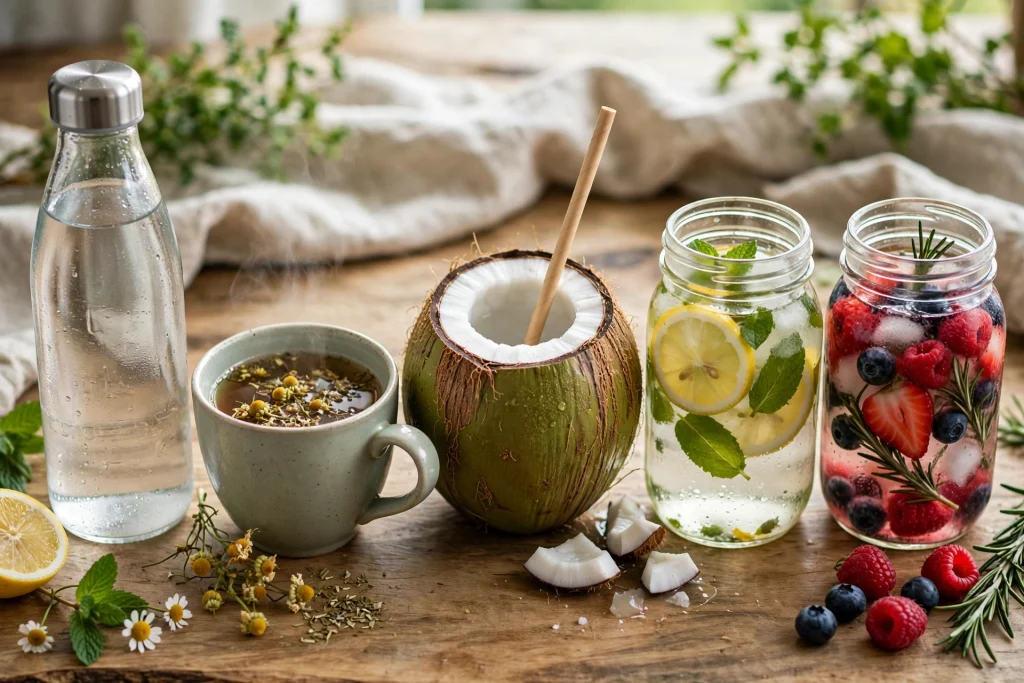
Reduce sugar in tea and coffee gradually
Tea and coffee routines often involve taste, comfort and social habits. A gradual reduction can give you time to adjust without losing the part of the break you enjoy. Start with one drink you make regularly.
Use a consistent spoon or preparation method so the change is intentional. Taste the drink before automatically adding more. If the first attempt feels too abrupt, choose a smaller reduction and give it time.
Check the extras in drinks bought outside
Syrups, sweetened toppings and flavored powders can change a drink substantially. Ask what is included when the menu is unclear. A smaller size or a simpler version may fit your goal without requiring you to avoid the cafe.
There is no need to feel awkward requesting reduced sweetness. Staff can follow a precise order more easily than an ambiguous plea for something healthy. When customization is unavailable, select a different option that suits you.
Remember caffeine when making swaps
Replacing a soft drink with several strong coffees changes more than sugar. Consider the time of day and how caffeine affects you. An unsweetened caffeinated drink may still be a poor evening choice if it disrupts your sleep.
A caffeine-free alternative can be useful later in the day. If you are pregnant, have a health condition or take medicines, follow appropriate advice about caffeine. The goal is a helpful overall change, not simply moving the difficulty somewhere else.
Handle social occasions without strict rules
Birthdays, meals out and family visits may include sweet drinks. You can make an intentional choice without treating the occasion as a failure. One drink does not determine the quality of your entire week.
Choose the serving you want, enjoy it and return to your normal pattern afterward. Avoid skipping meals to compensate. A routine that allows ordinary social life is more likely to last than a rule that makes every invitation stressful.
Prepare a simple response
If people repeatedly refill your glass, a short response can help. You might say that you are fine with water for now or that you would prefer a smaller serving. There is no need to share personal medical details with anyone at the table.
If you are the host, set out a couple of sensible options and avoid judging what others pick. Keeping water visible and within easy reach lets guests decide freely while the gathering stays relaxed.

Compare drinks fairly at the shop
Compare similar amounts rather than different serving sizes. If one label lists information per 100 milliliters and another uses a serving, convert the comparison mentally or use the same basis shown on both products.
Then consider the amount you are likely to drink. A product with a lower value per serving may not be the lower-sugar choice if its serving is much smaller or you routinely drink several servings at once.
Look beyond the front of the package
Pictures of fruit, sports equipment or vitamins can make a product seem different from an ordinary sweet drink. Those images do not tell you the amount of sugar in the bottle.
Read the nutrition information and ingredient list, then make a practical choice. You are not trying to find a perfect product. You are checking whether the drink fits the role you want it to play in your everyday routine.
Review the habit after one week
At the end of a week, ask whether your chosen change happened most of the time. When it mostly worked, continue with it or add one small tweak. When it did not, identify the obstacle first instead of tightening the rule.
Maybe you left the bottle behind, found the replacement unpleasant, or picked an option that depended on a specific shop’s stock. Those details are useful. Adjust the setup so the next attempt fits your actual day.
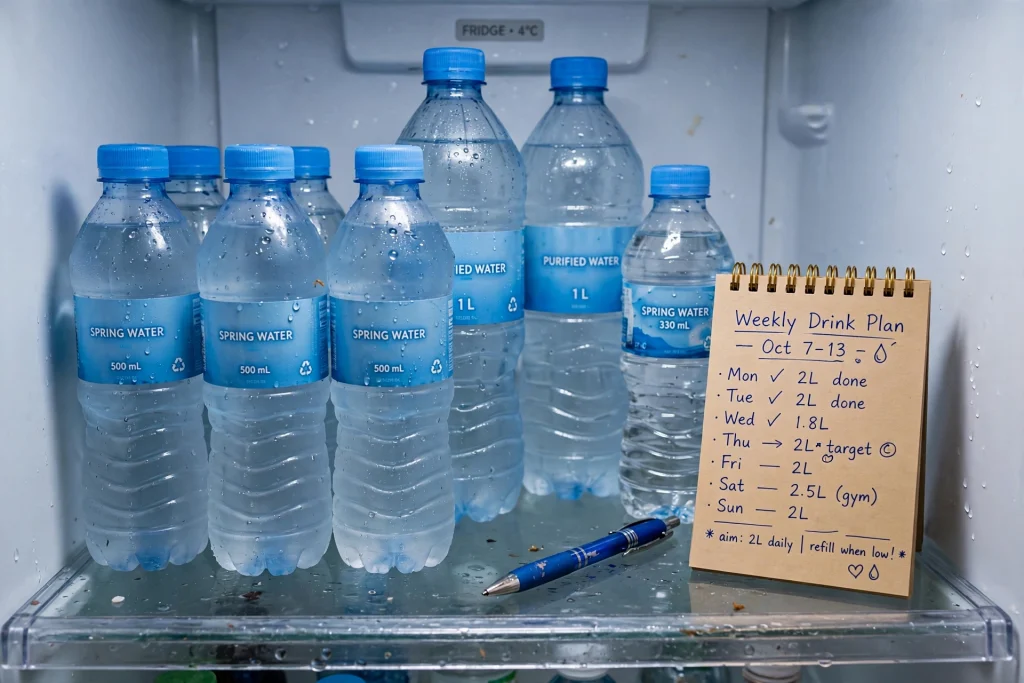
Use a practical measure of progress
You might count how often you bought the usual drink or whether the smaller serving felt enough. You do not need to judge the habit by daily changes on a weighing scale or by a promise that one swap will transform your health.
A useful result is a routine that feels easier and reduces a source of frequent added sugar. Keep the focus on the behavior you can repeat. Separate health objectives may need a broader plan and one-to-one guidance.
Common questions about reducing sugary drinks
What works best depends on your starting habit. Having an occasional drink at a celebration is a very different situation from drinking several sweetened beverages every day. Pick a change that fits your own pattern rather than copying the strictest advice you find.
Do I have to stop every sweet drink forever?
An all-or-nothing rule is not necessary for everyone. Consider frequency, serving size and your personal health advice. A small occasional serving is a different pattern from using sweet drinks as your main source of fluid.
When a health condition applies, stick to the advice your own clinician has provided. If that is not the case, start with the most frequent habit and choose a change you can maintain. Once that feels routine, you can plan the next step.
What if I dislike plain water?
Try a different temperature, an appropriate unsweetened drink or a simple flavor addition. You can also reduce sweetness gradually rather than expecting your taste to change immediately.
Keep experimenting within a few easy options. The alternative should be affordable, available and enjoyable enough that you will choose it again. A drink you dislike intensely is unlikely to become a reliable everyday habit.
What should I do after an unplanned sweet drink?
Return to your normal routine at the next opportunity. There is no need to restart a challenge, skip food or decide that the day is ruined. Notice what happened only if it helps you prepare for a similar situation.
For example, an unexpectedly long trip may show that carrying a drink would help. Use that information kindly and practically. Lasting change is built through repeated ordinary choices, including the days when the original plan needs adjusting.
Sources and further reading
The listed sources back the general health information in this guide. The examples and daily routines are illustrative only, not personal treatment plans.
- Sugar: the facts – NHS
- Water, drinks and hydration – NHS
- FDA: How to Understand and Use the Nutrition Facts Label
General educational information. This AI-assisted article has not had a clinical review. A qualified health professional can advise on your situation.