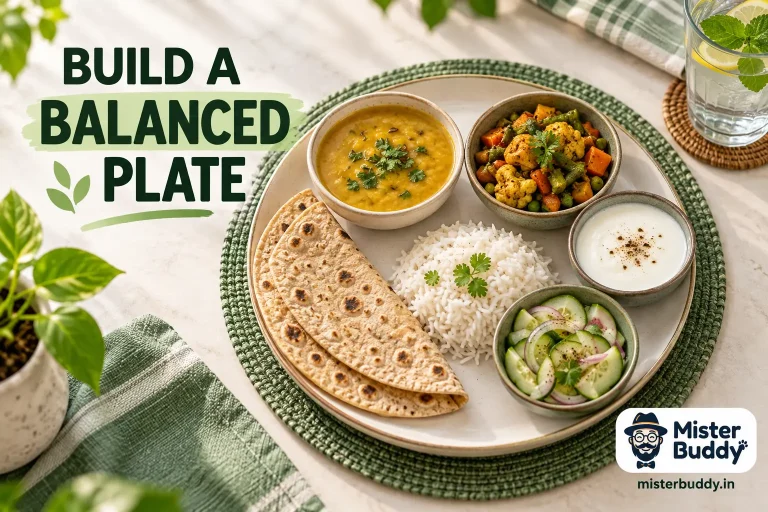
A vegetarian meal can provide protein without a special powder, an expensive snack bar or a separate fitness menu. The helpful first step is to include a clear protein food in your usual meals, instead of leaving rice, bread or noodles to do almost all the work.
Dal, chickpeas, kidney beans, soy foods and dairy offer several familiar options. Eggs can also fit for people who include them in their diet. You can build meals around the foods that suit your budget, beliefs, cooking skills and appetite.
This guide focuses on everyday adult meal planning. It does not set a personal protein target or promise a particular change in body weight or muscle. Medical conditions and individual goals can change what is appropriate for you.
Start with the protein food
When deciding what to cook, people often choose the grain first and think about everything else later. Try reversing that order. Ask what the protein food will be, then choose vegetables and a grain or starchy food to go with it.
For example, if you choose chana, the meal might become chana with rice and vegetables. If you choose tofu, it could become tofu cooked with vegetables and served with roti. This small planning change makes the protein source easier to see.
Recognize the difference between an ingredient and a serving
A dish can contain a protein ingredient without containing very much of it. A large bowl of noodles with two tiny pieces of tofu is different from a meal in which tofu is a clear part of the dish.
The same idea applies to dal. A small spoon of thin sauce may not contribute as much lentil as you imagine. Look at the food actually on your plate rather than relying on the recipe name or the picture on a packet.
Keep the whole meal in view
Protein is useful, but it is not the only thing a meal needs. Vegetables, fruit, grains and suitable fats also have a place. A meal built only around protein products may be less varied than an ordinary meal using familiar ingredients.
The NHS Eatwell Guide includes several food groups within a balanced eating pattern. Use that broader view when planning. You do not need to turn every meal into a competition to find the highest protein number.
Build a short list of reliable options
Choose a few foods you already like and can buy regularly. A practical list might include two pulses, one quick cupboard option and one refrigerated option. You can expand the list later when the routine feels easy.
Lentils, chickpeas, kidney beans, tofu, milk and curd are examples, but your list may look different. The useful part is having dependable choices rather than repeatedly buying unfamiliar foods that remain unopened.
Use lentils and beans in familiar dishes
Dal can fit into a normal lunch, and lentils can also be added to khichdi or soup. Chickpeas and kidney beans can become curries, bowls or freshly prepared salads. Choose cooking methods and seasonings your household enjoys.
If you rarely eat pulses, increase them gradually. A sudden large change can cause gas or discomfort. Start with a comfortable serving and build on it, rather than deciding that the only useful portion is an enormous bowl.
Try soy foods in a simple way
Tofu can be added to vegetables, a bowl or a familiar sauce. You do not need to master a complicated recipe before using it. Begin with a small meal you can repeat and check the product’s storage and preparation instructions.
If you buy a plant drink, read the label. Products differ in protein and fortification, so one plant drink is not automatically interchangeable with another. Pick it for the role it needs to play in your diet, not only because the carton says plant based.
Make breakfast more complete
A breakfast that contains only tea and a few biscuits may leave little room for a clear protein food. You can improve it without creating an elaborate morning routine. Start with something that is quick enough for an ordinary weekday.
Possible combinations include curd with a suitable cereal and fruit, a cooked egg with toast if you eat eggs, or a familiar savory breakfast with a protein side. Adapt the example to your appetite and usual foods.
Plan around the time you really have
If mornings are rushed, choose a breakfast with very few steps. Keep the necessary ingredients easy to find and prepare suitable items safely in advance. The plan should work when you are tired, not only when you have a free morning.
Someone who leaves home early may prefer a small breakfast followed by a planned food break. Another person may prefer a fuller meal before leaving. There is no need to copy a schedule that does not fit your day.
Avoid relying only on a health label
A packaged breakfast bar may contain some protein, but the amount, serving size and other ingredients vary. Compare it with an ordinary food option before assuming it is a better choice. Cost and convenience matter too.
If the product helps on a busy day, it can be a practical option. It does not have to become the foundation of every breakfast. A varied routine gives you more ways to manage when one food is unavailable or too expensive.
Make lunch easier with a simple formula
Choose a protein food, add a grain or starchy food and include vegetables. This is a flexible planning formula, not a rigid plate measurement. It works with a packed lunch, a meal at home or several common canteen choices.
For a packed lunch, you might use chana, rice and cooked vegetables. Another day, choose dal with roti and a vegetable dish. A tofu bowl or a suitable paneer dish can provide another change of taste.
Turn leftovers into a planned meal
A safely stored portion of cooked lentils can become tomorrow’s lunch rather than something forgotten in the refrigerator. Decide on its next use before cooking a large quantity. Prepare only what you can cool, store and use safely.
Do not rely on smell alone to judge whether food is safe. Follow local food safety guidance for storage and reheating. A meal plan should make life easier without encouraging you to keep leftovers beyond a safe period.
Have an option for eating outside
When buying lunch, look for an identifiable protein food instead of choosing only by the name of the meal. A vegetarian label does not automatically mean a dish contains a substantial protein source.
You might choose a bean dish, dal or another suitable option alongside the rest of the meal. If choices are limited, plan another meal differently later in the day. One imperfect lunch does not require you to abandon the overall routine.
Keep dinner practical for the whole household
It is often easier to improve a shared dinner than to cook a separate high-protein meal for one person. Choose a family dish that includes a clear protein ingredient, then adjust side dishes and serving sizes as needed.
For example, a lentil-based khichdi can be served with vegetables and an appropriate side. A tofu or paneer dish can fit with roti. A bean curry can be used with rice. These are ordinary combinations that allow variety without constant recipe searching.
Prepare a backup for busy evenings
Keep a simple meal in mind for days when cooking plans fail. That might involve a safely stored pulse dish, a quick tofu preparation or another food your household already uses. The backup should be easy enough to make with low energy.
You do not need a perfect dinner every evening. Having a workable option reduces the pressure to improvise while hungry. It also helps you avoid buying ingredients for a complicated recipe that you are unlikely to prepare.
Use nuts and seeds in the right role
Nuts and seeds can add flavor and variety. A modest handful or sprinkle may fit into meals and snacks, depending on your needs and any allergies. They can be useful additions without becoming the only protein food you rely on.
Look at how you actually use them. A little seed topping does not replace the rest of a balanced meal. If budget is limited, compare the cost of different foods and choose ingredients that can serve more than one purpose.
Keep snacks connected to your appetite
A snack can be useful when there is a long gap between meals or when your appetite suits smaller eating occasions. It is not compulsory simply because a diet plan online includes several snacks.
Choose something you enjoy and can store safely. Plain curd, roasted chana or another appropriate food may work for some people. Notice whether the snack helps you manage the day comfortably rather than treating it as another target to complete.
Pay attention to nutrients beyond protein
Vegetarian eating also needs attention to nutrients such as iron, calcium and vitamin B12. The exact planning needs depend on which foods you include and which you avoid. A diet that includes dairy differs from one that excludes all animal foods.
People eating no animal foods need a reliable source of vitamin B12, typically appropriate fortified foods or a supplement plan. Ask a qualified professional about your situation rather than assuming a generally healthy-looking menu will provide everything automatically.
Check fortified food labels carefully
Fortification varies between brands and products. A drink that looks similar to another may provide different amounts of calcium, B12 or other nutrients. Read the label for the product you actually buy and the serving you actually use.
Avoid relying on a marketing phrase as proof of nutritional equivalence. If a food is replacing something important in your diet, check whether it serves the same purpose. A dietitian can help you compare options without making the process overly complicated.
Do not treat tiredness as proof of low protein
Tiredness can have many causes. It is not possible to identify a deficiency from one symptom or a social media checklist. Increasing protein products may not address the reason you feel unwell.
Persistent fatigue, unexplained weight change or other ongoing symptoms deserve medical advice. Share your eating pattern and any supplements you take, but avoid diagnosing yourself. A proper assessment can guide whether dietary changes, tests or another kind of support are needed.
Do you need a protein powder?
A powder can be convenient in some circumstances, but it is not automatically necessary for a vegetarian diet. First review your ordinary meals. If a clear protein food is regularly missing, adding one may be the simpler step.
The usefulness of a supplement depends on your needs, overall intake and health. Products also differ in ingredients, allergens, cost and quality. A higher number on the package does not mean everyone should take it.
Get advice when health conditions change the plan
If you have kidney disease, a prescribed diet, a food allergy or difficulty maintaining your intake, ask for individual guidance. Do not add large amounts of protein simply because a general fitness post recommends it.
Athletes and people recovering from illness may also need advice suited to their situation. The goal is to meet appropriate needs, not to assume that more is always better or that one routine suits every adult.
Make a small plan for the coming week
Choose three meals you already eat and identify the protein food in each. If one is unclear, decide on a practical addition or replacement. Buy only what you are likely to use and keep a simple backup available.
At the end of the week, review what worked. Keep the meal you enjoyed, simplify the one that took too long and change the ingredient that was difficult to buy. A useful routine grows from those observations rather than from a perfect list of fashionable foods.
Common questions about vegetarian protein
Most meal-planning questions become easier when you focus on variety and practical portions. You do not have to eat the same protein food at every meal or build your whole day around supplements. Familiar foods can provide several workable choices.
Must every meal contain all the same ingredients?
No. Meals can look different, and food groups can be spread across the day. Choose a varied pattern that suits your preferences. A breakfast using dairy, for example, does not require you to repeat dairy at lunch and dinner.
If you follow a highly restricted diet, individual advice may be helpful. Variety becomes harder when many foods are excluded, and a professional can help you plan around the restrictions you actually need.
What is the easiest first change?
Choose the meal where the protein food is most often missing. Add a familiar option that fits the recipe and your budget. Keep the change small enough that you will repeat it next week.
For one person that might be dal with lunch. For another, it might be tofu in dinner or curd with breakfast. The best starting point is the one that turns an idea into a normal, manageable meal.
Sources and further reading
These sources support the general health information in this guide. Examples and everyday routines are practical illustrations, not personal treatment plans.
General educational information. This AI-assisted article has not had a clinical review. A qualified health professional can advise on your situation.