Iron-rich food does not have to arrive in an expensive health drink. Lentils, beans, suitable meat or fish, and some fortified foods can all contribute to your intake. The useful question is how these foods fit into meals you will actually eat.
Iron helps your body make the part of red blood cells that carries oxygen. However, feeling tired does not automatically mean you need more iron. Poor sleep, stress and many medical conditions can cause fatigue. A food plan can support nutrition, but it cannot tell you why a symptom is happening.
Start with a food source you already enjoy
Choose one familiar iron-containing ingredient for a regular meal. For a vegetarian household, that might be lentils, chickpeas or kidney beans. For someone who eats animal foods, suitable meat, poultry or seafood can contribute too. Variety matters more than searching for one perfect ingredient.
Plant foods contain a form of iron that is generally absorbed less easily than the iron found in animal foods. This is a planning consideration, not a reason to reject a vegetarian diet. An ordinary meal can combine several useful ingredients without becoming complicated.
Make a practical vegetarian combination
A dal meal with vegetables and a source of vitamin C is an easy starting point. For example, serve lentils with cooked vegetables and tomato, or include a suitable citrus fruit with the meal. Vitamin C can help the body absorb iron from plant foods.
Choose combinations you enjoy and tolerate. If citrus worsens your heartburn, there are other vitamin C foods. You do not need to add a sour ingredient to every mouthful or follow a special sequence of eating.
Look beyond the colour of a food
A food’s red colour does not prove that it will correct low iron. Beetroot can be part of a varied diet, but beetroot juice is not a replacement for investigation or treatment of iron deficiency. The same caution applies to claims that jaggery alone cures anaemia.
Ask whether a claim names a nutrient amount, a realistic serving and a reliable source. A dramatic before-and-after story is not enough. Useful nutrition advice explains what a food contributes while acknowledging what it cannot do.
Use fortified foods thoughtfully
Some cereals and other packaged foods have iron added. Check the label because brands and serving sizes differ. A product described as healthy may contain much less iron than you expect, while another product may make a useful contribution.
Fortification does not make the rest of the label irrelevant. Consider sugar, price, allergies and how the food fits your meals. You are choosing an everyday product, not buying a guarantee that a blood test will improve.
Build three realistic meal ideas
For breakfast, a suitable fortified cereal with an accompanying fruit may work for a rushed morning. If you prefer a cooked breakfast, choose a familiar pulse-based dish and include vegetables. There is no need to copy a menu that does not suit your kitchen.
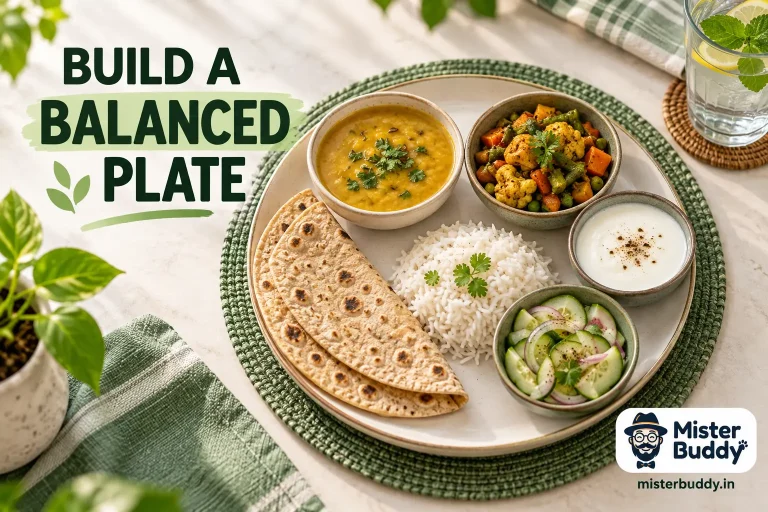
For lunch, consider chickpeas or beans with rice or roti and vegetables. For dinner, a lentil dish or an appropriate portion of another protein food can sit beside the rest of a balanced meal. These are examples of combinations, not a prescribed diet or a calculation of your personal iron requirement.
Notice when the issue needs a medical check
Persistent unusual tiredness, breathlessness, weakness or reduced ability to manage normal activities deserves attention. These symptoms have several possible causes. A clinician may recommend blood tests and ask about your diet, medicines, menstrual bleeding, pregnancy or digestive symptoms.
Iron deficiency can result from blood loss or problems absorbing nutrients, as well as inadequate intake. Simply eating more iron may leave the underlying cause untreated. Seek urgent care for severe breathlessness, fainting, chest pain or significant bleeding rather than waiting for a food change to work.
Prepare useful information for the appointment
Write down when the tiredness began and what has changed. Mention heavy periods, recent blood donation, pregnancy, a restrictive diet or any known digestive condition. Bring a list of medicines and supplements, including products marketed as energy boosters.
You do not need to decide which blood test to order yourself. Ask what the proposed test can show, how you will receive the result and what the next step will be if it is abnormal. That is more useful than trying to interpret an isolated number from an online chart.
Treat iron tablets as treatment, not a snack
Iron supplements can cause side effects and may interact with medicines. Excess iron can also be harmful. Do not start a high-dose product simply because a friend felt better after taking it. A pharmacist or clinician can help you understand whether supplementation is appropriate.
Keep all iron-containing products safely away from children. If a child may have swallowed iron tablets, seek urgent poison or emergency advice immediately. Do not wait for symptoms. For adults with prescribed treatment, ask about timing, side effects and follow-up rather than stopping or doubling doses on your own.
Practical routines that support the main advice
An iron-conscious meal still needs to work as an ordinary breakfast, lunch or dinner. The following food-selection and planning skills help you use suitable ingredients consistently while keeping the rest of your diet varied.
Start with the protein food
When deciding what to cook, people often choose the grain first and think about everything else later. Try reversing that order. Ask what the protein food will be, then choose vegetables and a grain or starchy food to go with it.
For example, if you choose chana, the meal might become chana with rice and vegetables. If you choose tofu, it could become tofu cooked with vegetables and served with roti. This small planning change makes the protein source easier to see.
Recognize the difference between an ingredient and a serving
A dish can contain a protein ingredient without containing very much of it. A large bowl of noodles with two tiny pieces of tofu is different from a meal in which tofu is a clear part of the dish.
The same idea applies to dal. A small spoon of thin sauce may not contribute as much lentil as you imagine. Look at the food actually on your plate rather than relying on the recipe name or the picture on a packet.
Keep the whole meal in view
Protein is useful, but it is not the only thing a meal needs. Vegetables, fruit, grains and suitable fats also have a place. A meal built only around protein products may be less varied than an ordinary meal using familiar ingredients.
The NHS Eatwell Guide includes several food groups within a balanced eating pattern. Use that broader view when planning. You do not need to turn every meal into a competition to find the highest protein number.
Build a short list of reliable options
Choose a few foods you already like and can buy regularly. A practical list might include two pulses, one quick cupboard option and one refrigerated option. You can expand the list later when the routine feels easy.
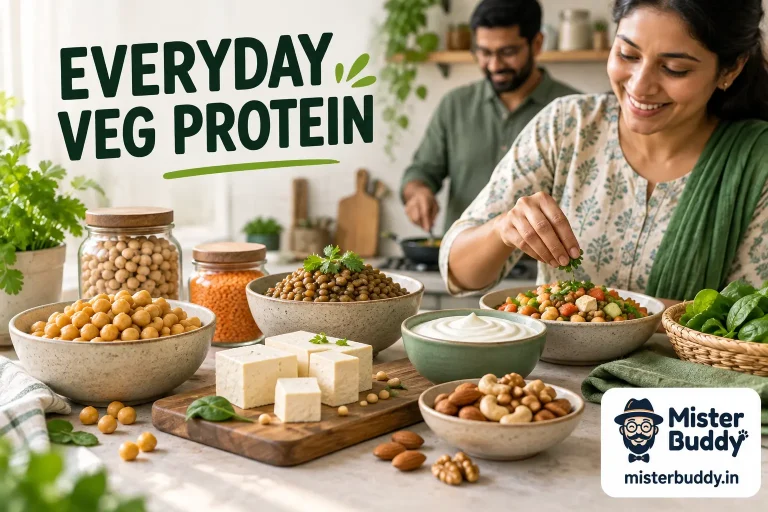
Lentils, chickpeas, kidney beans, tofu, milk and curd are examples, but your list may look different. The useful part is having dependable choices rather than repeatedly buying unfamiliar foods that remain unopened.
Use lentils and beans in familiar dishes
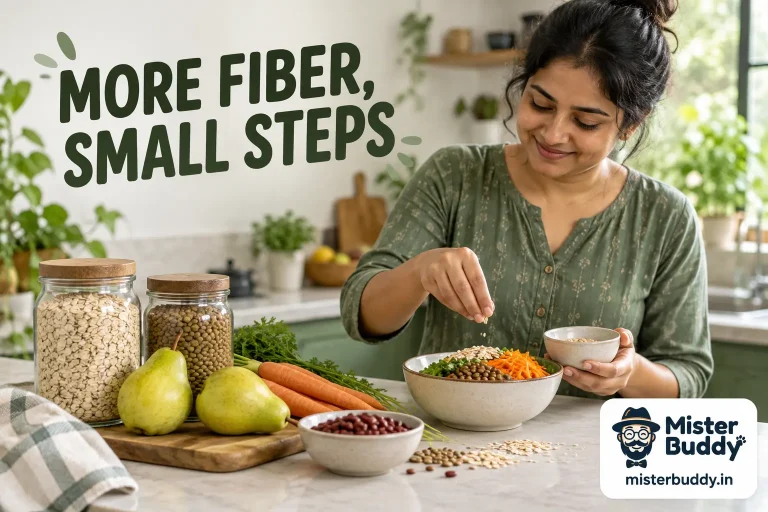
Dal can fit into a normal lunch, and lentils can also be added to khichdi or soup. Chickpeas and kidney beans can become curries, bowls or freshly prepared salads. Choose cooking methods and seasonings your household enjoys.
If you rarely eat pulses, increase them gradually. A sudden large change can cause gas or discomfort. Start with a comfortable serving and build on it, rather than deciding that the only useful portion is an enormous bowl.
Try soy foods in a simple way
Tofu can be added to vegetables, a bowl or a familiar sauce. You do not need to master a complicated recipe before using it. Begin with a small meal you can repeat and check the product’s storage and preparation instructions.
If you buy a plant drink, read the label. Products differ in protein and fortification, so one plant drink is not automatically interchangeable with another. Pick it for the role it needs to play in your diet, not only because the carton says plant based.
Build lunch around three useful questions
Before serving lunch, ask what provides the starchy food, what provides the protein and where the vegetables are. These questions are simple enough to use when you are tired, shopping quickly or deciding what to do with leftovers.
Rice or roti might answer the first question. Dal, beans, eggs, tofu, fish or another suitable food might answer the second. A vegetable dish or a freshly prepared salad can answer the third. These are choices, not a requirement to include every item.
Make dal and rice work together
Dal and rice can be a practical base. If the meal is mostly a large serving of rice with a small spoon of dal, try serving enough dal for it to be a clear part of the meal. Add vegetables in a form you enjoy and can prepare regularly.
For example, lunch might be rice, a bowl of masoor dal and a cooked seasonal vegetable. Another day, use rajma or chana in place of dal. You do not need a new grain or a special salad dressing to make the combination useful.
Keep roti meals varied
A roti meal can include a protein dish and vegetables rather than relying on roti and pickle alone. Try roti with chana and cabbage, or roti with an egg dish and cooked vegetables. Plain curd can fit if you eat dairy and it suits you.
If you already have a family curry, work with it. Add the missing part instead of cooking an entirely separate meal. The more closely the change fits the food your household enjoys, the easier it is likely to be to repeat.
Plan a small shopping list that reduces waste
A long healthy shopping list is not useful if half the food goes bad. Start with meals you expect to cook, then buy ingredients that can work in more than one dish. Think about the days when you will be busy as well as the days when you have time.
You might choose two pulses, two grains or starchy foods, several vegetables and a few breakfast ingredients. Fresh, frozen and suitable tinned foods can all have a place. Choose what fits your budget, storage space and normal cooking habits.
Give each perishable ingredient a job
Before buying a large bunch of greens or a big container of curd, decide when you will use it. An ingredient with a clear place in tomorrow’s meal is less likely to be forgotten than one bought only because it looked healthy.
Use the foods that spoil sooner first. Keep a simple note of what is already in the refrigerator before shopping. This small habit can stop you buying another packet while an opened one sits behind it.
Keep one backup meal available
A backup meal is a planned answer to a difficult evening. It could use a safely stored portion of dal, frozen vegetables and rice, or another combination your household likes. It should be easy enough to make when energy is low.
The point is not to avoid every takeaway or convenience food. It is to have an ordinary meal available without a fresh shopping trip. A realistic backup can make balanced eating feel less dependent on having a perfect day.
Common questions about iron-rich meals
Food choices and medical treatment answer different questions. A varied eating pattern can support your intake over time, while a confirmed deficiency may need a specific treatment plan. Neither approach should be presented as a quick cure for every kind of tiredness.
Do I need to eat spinach every day?
No single vegetable is compulsory. Pulses, fortified foods and other suitable iron sources can contribute across the week. Choose a range of foods you can afford and enjoy, and ask for individual advice if your choices are limited by allergies or illness.
How quickly should I expect a change?
A meal change cannot provide a reliable timetable for improvement. If you have a diagnosed deficiency, your clinician can explain how treatment and follow-up will be assessed. If you do not have a diagnosis, ongoing symptoms should be checked rather than monitored indefinitely through food experiments.
Sources and further reading
These sources support the general health information in this guide. Examples and everyday routines are practical illustrations, not personal treatment plans.
- NIH: Iron
- The Eatwell Guide – NHS
- FDA: How to Understand and Use the Nutrition Facts Label
- NIH: Calcium
- NIH: Vitamin B12
- Eating, Diet, & Nutrition for Constipation – NIDDK
- FoodSafety.gov: Four Steps to Food Safety
General educational information. This AI-assisted article has not had a clinical review. A qualified health professional can advise on your situation.