A walking plan is easier to begin when the first walk feels possible. If you spend most of the day sitting, you do not need to start with a long route or an impressive step count. A short, comfortable walk gives you a place to build from.
The examples here are starting ideas for generally well adults. If you have chest symptoms, a recent injury, significant balance problems or a medical condition that affects activity, ask a qualified professional what is appropriate before changing your routine.
Choose a route you can repeat
Look for a reasonably flat route with a safe surface and an easy way to turn back. A familiar street, a building corridor or a suitable indoor space can work. Consider traffic, lighting, weather and whether you will have access to a place to rest.
The route should fit the time you actually have. A ten-minute loop near home may be more useful than a beautiful park that requires a long journey. Remove the travel barrier before worrying about distance.
Make the first walk deliberately easy
Start with about five to ten minutes if that feels suitable, or less if needed. Walk slowly at first and keep the effort comfortable. Finish with the feeling that you could have done a little more, rather than using the first day as a fitness test.
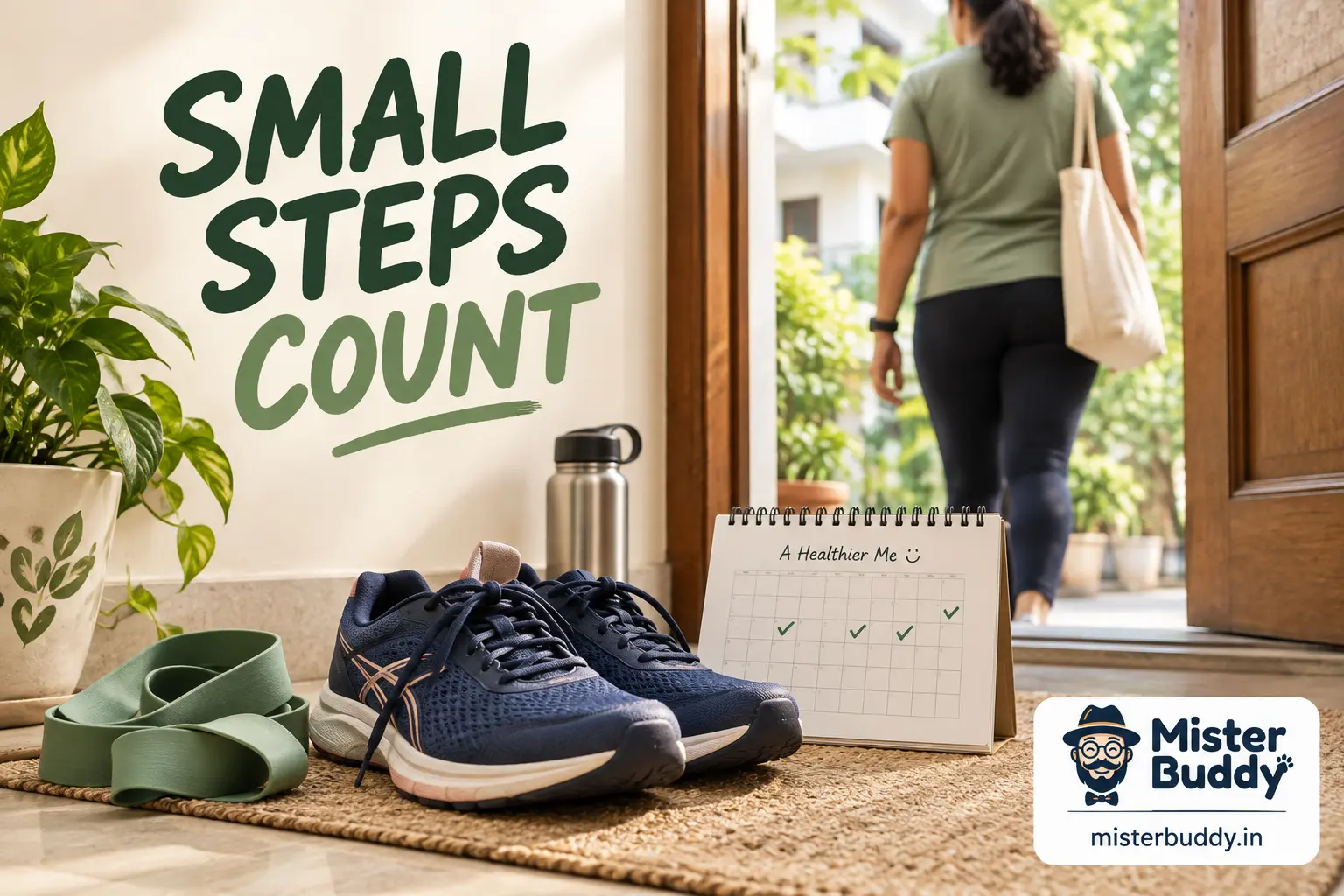
Wear footwear that fits securely and does not rub. You do not need specialist equipment to begin, but painful shoes can quickly turn a simple plan into an unpleasant one.
Use your breathing to judge the pace
As you become comfortable, some walks may become brisk enough to raise your breathing while still allowing conversation. Moderate effort is often described as being able to talk but not sing easily. This is a rough guide, not a competition or a diagnostic test.
If you are gasping, dizzy or struggling to speak, slow down or stop. A beginner’s useful pace may be slower than someone else’s. The same route may also feel harder during illness, heat or a poor night’s sleep.
Build a sample first week around your schedule
You might choose three short walks on separate days and an optional easy walk on the weekend. Keep the route and duration similar at first so you can notice how your body responds. If you feel unusually sore or unwell, adjust the plan rather than forcing the next session.
In a later week, add a few minutes to one or two walks if the current amount feels manageable. Avoid increasing speed, distance and hills at the same time. Change one part, see how it feels, and then decide what comes next.
Keep an indoor alternative ready
Rain, extreme heat or poor outdoor conditions do not have to make the whole plan disappear. A safe indoor corridor or a few comfortable walking breaks at home may be suitable. Clear trip hazards and choose a space where turning is easy.
The alternative can be shorter than the outdoor walk. Its job is to keep movement available on a difficult day, not to reproduce every detail of the original route.
Know where the weekly guidelines fit
General adult activity guidance includes at least 150 minutes of moderate activity each week, alongside muscle-strengthening activity on at least two days. That is a longer-term reference point. It does not mean a person starting from very little activity should suddenly complete that amount in the first week.
Short sessions count toward being more active. Progress depends on what is safe and sustainable for you. Walking is useful, but it is not the only type of movement a balanced routine may include.
Track something that helps you continue
A simple note of the date, approximate minutes and how the walk felt can be enough. Notice whether the routine fits your day and whether recovery feels normal. You do not have to buy a watch or compare your steps with friends.
A missed walk is information about the plan. Perhaps the timing was unrealistic or the route was inconvenient. Adjust the next opportunity rather than doubling the distance as punishment.
Practical routines that support the main advice
A walking plan needs a comfortable start, a manageable place in the week and a response to the weather. Use these supporting routines to make the route easier to repeat without increasing effort too quickly.
Match the warm-up to the activity
Before walking, begin with slower walking. Before a home strength session, use gentle movements that resemble the exercises you plan to do. A few easy sit-to-stand movements may be more relevant than a fast jumping routine.
The purpose is preparation, not exhaustion. If the warm-up leaves you too tired for the planned activity, reduce the effort. Beginners often benefit from keeping this stage simple and familiar.
Begin with small, comfortable movement
Gentle marching, shoulder movement or an easy walk may be suitable. Move within a comfortable range and increase the pace gradually. Do not bounce forcefully into a position or try to match someone else’s flexibility.
If a movement produces sharp pain, dizziness or an unusual symptom, stop. A warm-up is also a useful check-in. It should help you decide whether to continue, modify the session or seek advice.
Give the transition enough time
Several minutes of easier movement can be a practical starting point. The amount needed varies with the activity, your condition and the environment. A cold morning, a demanding session or a long period of sitting may call for a more gradual start.
Avoid treating one exact number of minutes as a guarantee against injury. Warm-ups are one part of sensible exercise planning. Appropriate load, suitable technique and recovery also matter.
Slow the finish instead of stopping suddenly
Near the end of a brisk walk, reduce the pace for a few minutes. After a home session, use easy movement and allow your breathing to settle. Keep enough space in your schedule for this transition.
If you feel faint, have chest pain or develop severe unusual breathlessness, stop and seek appropriate help. Do not assume that symptoms are harmless simply because they occur at the end of exercise.
Use the cool-down to notice your response
Ask whether the session felt appropriate and whether any movement repeatedly caused discomfort. A brief note can help you make the next session better. This is more useful than judging the workout only by how tired you became.
If you need to change the plan, do so before repeating the same problem. Shortening the main session slightly may leave room for a more comfortable beginning and finish.
Find the barrier before choosing the solution
Ask what actually stopped the last few sessions. Was the planned time unrealistic? Did the activity hurt? Was the journey too long, the weather unsuitable or the routine simply unpleasant? Different barriers need different changes.
A reminder will not solve an unsafe route, and discipline will not make an unsuitable exercise comfortable. Be specific. A clear problem is easier to address than a general belief that you lack willpower.
Set a minimum version you can use
Choose a shorter, easier version of the activity for a difficult day. It could be a brief walk or a small number of suitable home exercises. The minimum should be meaningful and safe, but small enough that beginning does not feel like a major project.
A reduced session is not a promise that you must secretly complete the full workout once you start. Give yourself permission to finish the smaller plan. That makes the option honest and easier to trust.
Keep the full version available too
On a day with more time and energy, you can choose the longer session that fits your plan. Having two options allows the routine to respond to real life without becoming all-or-nothing.
Do not use the full version to compensate harshly for missed days. Sudden jumps in activity can create problems and make the next session less appealing.
Attach movement to a useful cue
A cue is something that already happens, such as finishing work, returning from an errand or changing out of office clothes. Pair the activity with a cue that leaves a realistic opportunity to act.
The best cue is not necessarily the earliest time of day. A morning plan is unhelpful if you consistently need that time for sleep or caregiving. Choose a place in the day that your life can actually support.
Prepare the small practical details
Put suitable shoes where you can find them, decide on the route or clear the floor before the session. These actions reduce the number of decisions between intention and movement. A prepared space can make a short routine feel much easier to begin.
Keep an alternative for predictable disruptions. If rain often stops walking, identify a safe indoor option. If the gym journey is the barrier, consider whether an appropriate home session can cover some days.
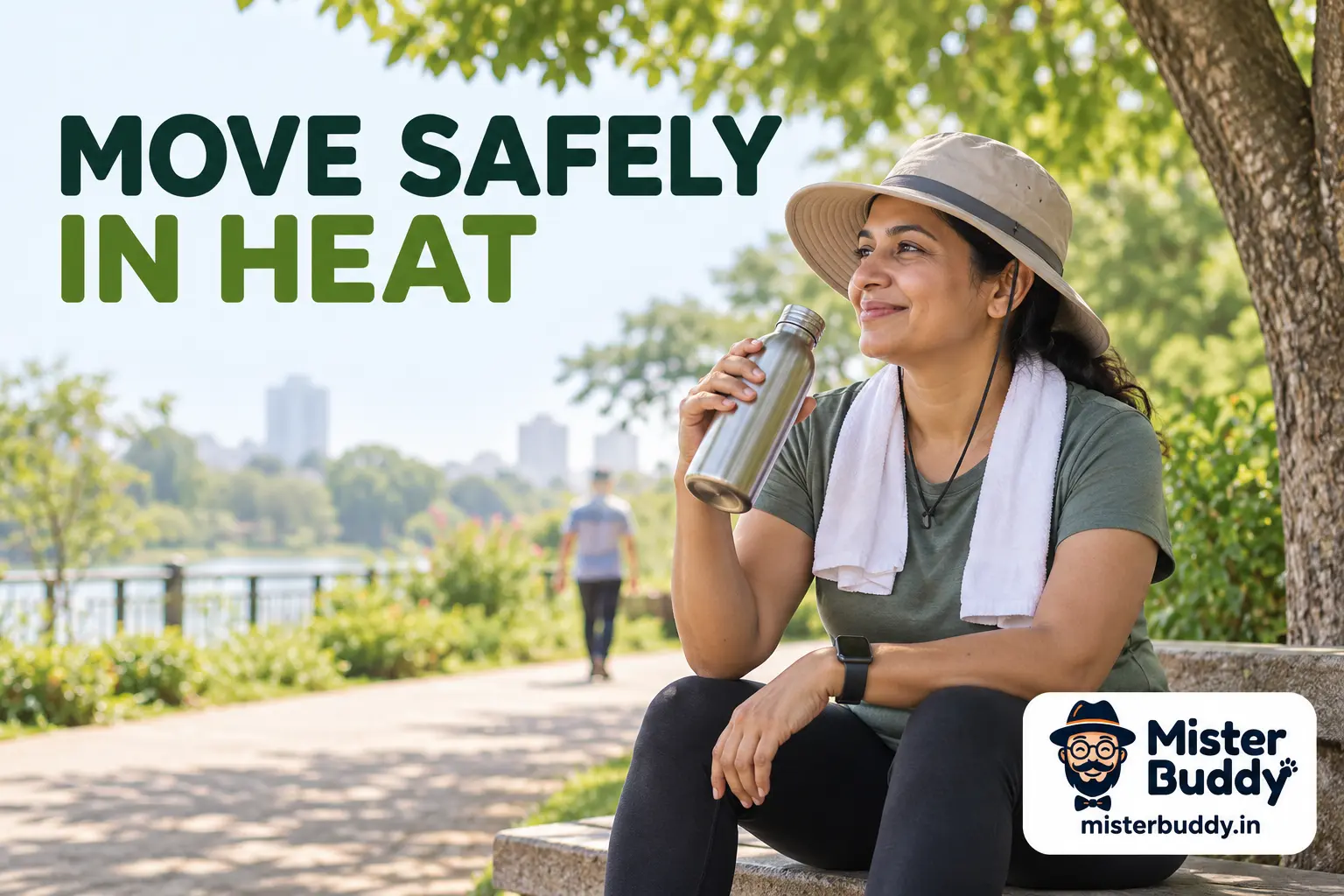
Choose a cooler time and place
Earlier or later hours may be more comfortable, but check the actual conditions rather than assuming a particular clock time is always safe. A shaded route with access to water and a place to stop can be easier to manage than an exposed road.
Avoid making your first hot-weather session a long trip far from help. Choose a route you can shorten. Let someone know your plan when you will be alone or in an unfamiliar area.
Reduce the effort before you feel overwhelmed
Start more gently than usual and take appropriate breaks. Heat can make a normal pace feel harder, so use how you feel as part of the decision. A slower or shorter session can still be worthwhile.
Do not use extra layers or plastic clothing to force sweating. Sweat loss is not a reliable measure of fat loss, and deliberately trapping heat can be dangerous.
Keep drinking water accessible
Begin with reasonable access to fluids and take drinking opportunities during activity. The amount needed varies with conditions, duration, sweating and individual health. Avoid forcing a very large amount in a short period.
If you have been advised to limit fluids or salt, ask your healthcare team how to manage hot weather. Do not replace a prescribed plan with a general sports-drink recommendation.
Think beyond the bottle
A bottle is useful only if you can refill it or carry enough for the planned route. Consider whether water points are open and whether the water is safe to drink. If you cannot make a workable plan, choose a shorter or different activity.
For ordinary short activity, a special drink is not automatically necessary. Longer, demanding sessions may require more individual guidance about fluids and electrolytes.
Recognise heat illness early
Stop activity and move to a cooler place if you develop headache, nausea, dizziness, unusual weakness or other concerning symptoms. Loosen unnecessary clothing and begin cooling. Seek medical advice when symptoms are significant, do not improve promptly or you have a higher-risk health situation.
Confusion, collapse, loss of consciousness or other signs of severe heat illness are an emergency. Call local emergency services and start rapid cooling while help is coming. Do not give drinks to someone who is unconscious or not fully alert.
Set up a space that will not move underneath you
Use a sturdy chair without wheels, a clear floor and a wall you can reach comfortably. Keep pets, loose rugs and cables out of the movement area. Wear suitable footwear if the surface would otherwise be slippery.
Check the chair before using it for support. Lightweight furniture that slides or tips is not appropriate. Place needed items within easy reach so you are not carrying weights while stepping over obstacles.
Know when to stop and get help
Stop activity for chest pain, faintness, severe unusual breathlessness or another concerning symptom. Seek urgent medical help when symptoms are severe or suggest an emergency. New persistent pain, repeated dizziness or worsening exercise tolerance also deserves professional assessment.
Ordinary effort and a serious warning sign are not the same thing. A useful walking routine supports daily life; it should not require ignoring symptoms to protect a streak on an app.
Is a daily step target necessary?
No single step number is required to begin. Minutes, comfort and consistency may be easier measures. Choose a target that encourages appropriate movement instead of one that pushes you into pain or exhaustion.
Sources and further reading
The sources listed here back up the general health information in this guide. The examples and daily routines are practical illustrations — not personal medical advice.
- CDC: Adult Physical Activity Guidelines
- Staying Active at Any Size – NIDDK
- How to warm up before exercising – NHS
- Caring for Your Mental Health – National Institute of Mental Health (NIMH)
- CDC: Heat and Your Health
- Water, drinks and hydration – NHS
- American Academy of Dermatology: Sunscreen FAQs
- Strength exercises – NHS
This article is for general education only. It was created with AI assistance and has not been clinically reviewed. For guidance about your own situation, please speak with a qualified health professional.