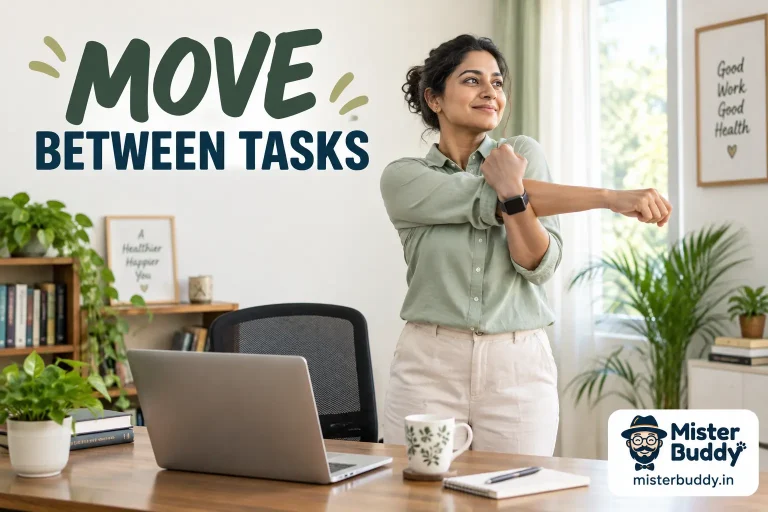
Home strength training can begin with ordinary movements and simple equipment. You do not need to lift a heavy weight on the first day. Learning a controlled movement and finishing with some energy left is a useful place to start.
The routine below is a general example for adults who can perform these movements comfortably. A recent operation, significant joint pain, poor balance or a relevant medical condition may require an adapted plan from a qualified professional.

Set up a space that will not move underneath you
Use a sturdy chair without wheels, a clear floor and a wall you can reach comfortably. Keep pets, loose rugs and cables out of the movement area. Wear suitable footwear if the surface would otherwise be slippery.
Check the chair before using it for support. Lightweight furniture that slides or tips is not appropriate. Place needed items within easy reach so you are not carrying weights while stepping over obstacles.
Start with a controlled sit-to-stand
Sit near the front of a stable chair with your feet supported on the floor. Lean forward slightly and stand up in a controlled way, using your hands if needed. Sit back down slowly rather than dropping onto the seat.
Try a small number of comfortable repetitions, perhaps five to begin with. The right amount depends on your ability. Stop if you develop pain, dizziness or a feeling that you cannot control the movement.
Change the difficulty before forcing a repetition
A higher seat or light hand support may make the movement easier. A lower chair is not automatically better. The aim is to practise a movement you can perform safely and repeat with control.
As you become stronger, you may need less hand support or be able to complete a few more repetitions. Change one feature at a time and keep the chair stable.
Add a wall press-up
Stand facing a wall and place your hands on it at a comfortable height. Bend your elbows slowly to bring your body closer, then press back. Keep the movement controlled and avoid locking or forcing your joints.
Begin close enough to the wall that the effort feels manageable. A few smooth repetitions are more useful than many rushed ones. If you feel joint pain, stop and seek an appropriate modification rather than pushing through it.
Practise a supported heel raise
Keep hold of something solid that cannot shift, rise up onto the balls of your feet at an unhurried pace, then settle back down gently. Only move through a range where you feel balanced and secure. There is no need to release your grip until you feel genuinely steady doing so.
If you still feel unsteady even with support in place, switch to a different movement or ask a professional for advice. A first routine should gradually build what your body can do, not test whether every exercise suits you.
Keep the first session short
One small set of each suitable movement may be enough for an introduction. Rest between exercises and breathe normally. Avoid holding your breath while straining. You should be able to stop before technique becomes uncontrolled.
General adult guidance includes strengthening activity on at least two days a week. Leave recovery time and avoid working through significant soreness. A beginner session can be brief while still providing useful practice.
Progress with a clear reason
When the same routine feels comfortable on several occasions, consider a small increase in repetitions or resistance. Do not change everything at once. You want to know which adjustment your body is responding to.
Keep a note of the movement, amount and comfort level. If an exercise repeatedly causes pain, reducing the number alone may not solve the problem. Seek assessment or a better-suited alternative.
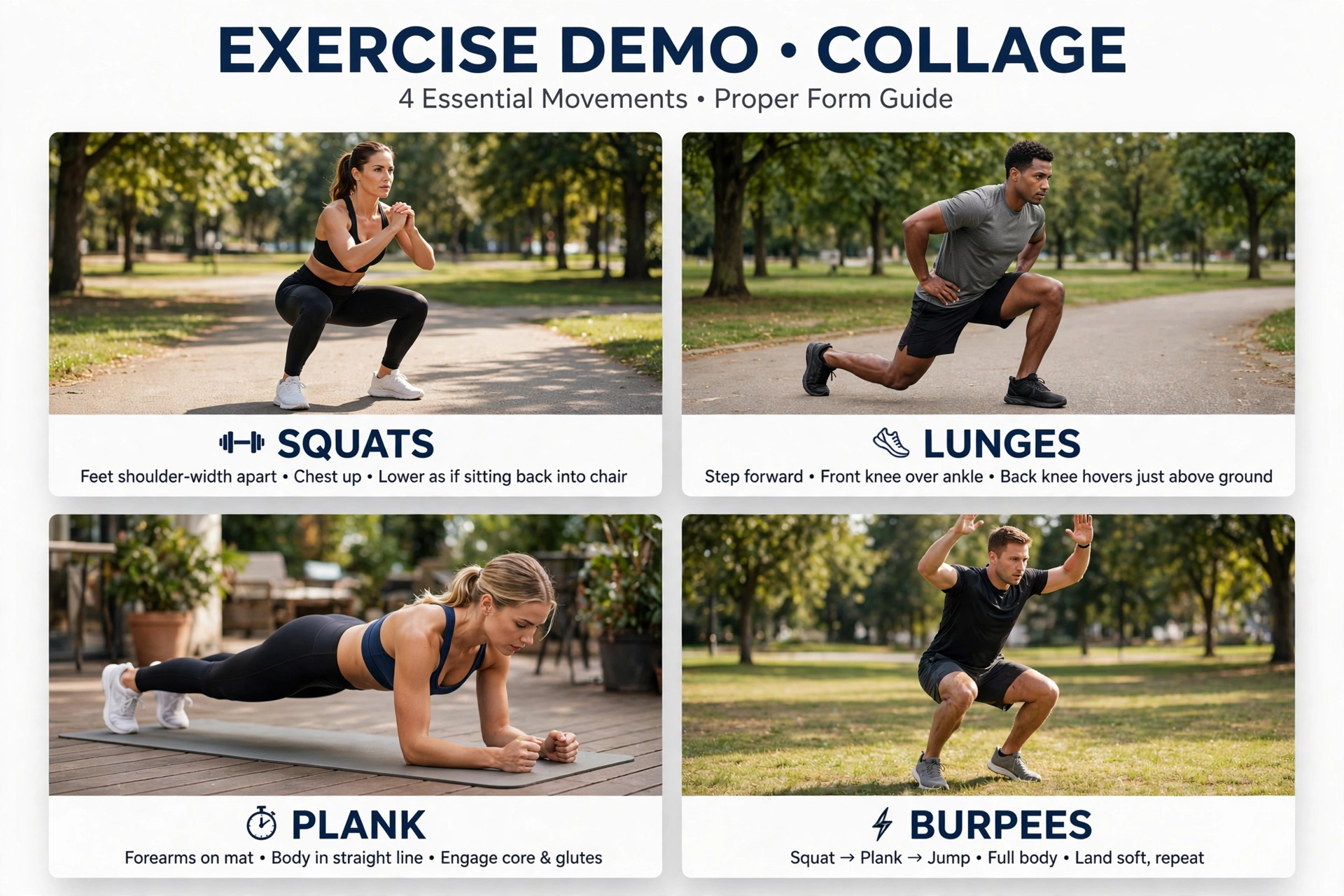
Practical routines that support the main advice
The exercises are only part of a home strength session. Preparation, pacing and practical habit design help you use them consistently. Choose the supporting steps that fit your space and ability, and keep any individual clinical advice in place.
Match the warm-up to the activity
Before walking, begin with slower walking. Before a home strength session, use gentle movements that resemble the exercises you plan to do. A few easy sit-to-stand movements may be more relevant than a fast jumping routine.
The purpose is preparation, not exhaustion. If the warm-up leaves you too tired for the planned activity, reduce the effort. Beginners often benefit from keeping this stage simple and familiar.
Begin with small, comfortable movement
Gentle marching, shoulder movement or an easy walk may be suitable. Move within a comfortable range and increase the pace gradually. Do not bounce forcefully into a position or try to match someone else’s flexibility.
If a movement produces sharp pain, dizziness or an unusual symptom, stop. A warm-up is also a useful check-in. It should help you decide whether to continue, modify the session or seek advice.
Give the transition enough time
Several minutes of easier movement can be a practical starting point. The amount needed varies with the activity, your condition and the environment. A cold morning, a demanding session or a long period of sitting may call for a more gradual start.
Avoid treating one exact number of minutes as a guarantee against injury. Warm-ups are one part of sensible exercise planning. Appropriate load, suitable technique and recovery also matter.
Keep stretching in its proper place
Stretching and warming up are not identical. Holding a stretch does not reproduce the gradual increase in movement used to prepare for an activity. If you include stretches, use a comfortable range and avoid forcing them.
Some people enjoy gentle stretching after a session, but it is not a requirement to reach a dramatic position. A qualified professional can suggest suitable mobility work when you have a specific restriction or condition.
Slow the finish instead of stopping suddenly
Near the end of a brisk walk, reduce the pace for a few minutes. After a home session, use easy movement and allow your breathing to settle. Keep enough space in your schedule for this transition.
If you feel faint, have chest pain or develop severe unusual breathlessness, stop and seek appropriate help. Do not assume that symptoms are harmless simply because they occur at the end of exercise.
Use the cool-down to notice your response
Ask whether the session felt appropriate and whether any movement repeatedly caused discomfort. A brief note can help you make the next session better. This is more useful than judging the workout only by how tired you became.
If you need to change the plan, do so before repeating the same problem. Shortening the main session slightly may leave room for a more comfortable beginning and finish.
Find the barrier before choosing the solution
Ask what actually stopped the last few sessions. Was the planned time unrealistic? Did the activity hurt? Was the journey too long, the weather unsuitable or the routine simply unpleasant? Different barriers need different changes.
A reminder will not solve an unsafe route, and discipline will not make an unsuitable exercise comfortable. Be specific. A clear problem is easier to address than a general belief that you lack willpower.
Set a minimum version you can use
Choose a shorter, easier version of the activity for a difficult day. It could be a brief walk or a small number of suitable home exercises. The minimum should be meaningful and safe, but small enough that beginning does not feel like a major project.
A reduced session is not a promise that you must secretly complete the full workout once you start. Give yourself permission to finish the smaller plan. That makes the option honest and easier to trust.
Keep the full version available too
On a day with more time and energy, you can choose the longer session that fits your plan. Having two options allows the routine to respond to real life without becoming all-or-nothing.
Do not use the full version to compensate harshly for missed days. Sudden jumps in activity can create problems and make the next session less appealing.
Attach movement to a useful cue
A cue is something that already happens, such as finishing work, returning from an errand or changing out of office clothes. Pair the activity with a cue that leaves a realistic opportunity to act.
The best cue is not necessarily the earliest time of day. A morning plan is unhelpful if you consistently need that time for sleep or caregiving. Choose a place in the day that your life can actually support.
Prepare the small practical details
Put suitable shoes where you can find them, decide on the route or clear the floor before the session. These actions reduce the number of decisions between intention and movement. A prepared space can make a short routine feel much easier to begin.
Keep an alternative for predictable disruptions. If rain often stops walking, identify a safe indoor option. If the gym journey is the barrier, consider whether an appropriate home session can cover some days.
Prepare a supported space
Choose a firm, level floor and a stable counter or other support that will not move. Keep the area free of loose rugs, cables and clutter. Wear secure footwear appropriate for the surface.
If you are unsure about your balance, have another person nearby and seek advice about safe practice. Avoid using a rolling chair or a lightweight table as support. The support must remain dependable if you need to put weight on it.
Begin with comfortable standing
Stand near the support with your feet at a comfortable distance apart. Hold on as needed and notice whether you can remain steady without straining. This is a starting position, not a test of how long you can tolerate discomfort.
If standing itself feels unsafe, stop and ask for guidance. An adapted or seated programme may be more appropriate. Exercise should match the ability you have today rather than an expectation based only on your age.
Try a small sideways step
With suitable support available, take a small step to the side and bring the other foot toward it. Keep the movement slow and controlled. Practise only within a space that allows you to remain supported.
Do not cross your feet or increase the distance if that makes you unsteady. A few comfortable steps may be enough initially. Rest when needed and stop for pain or dizziness.
Review the home as well as the exercise
Good lighting, clear walkways and easy access to frequently used items can reduce avoidable difficulties. Keep essential objects where you do not need to climb on furniture to reach them. Consider whether footwear and floor surfaces are secure.
If you use a walking aid, ask a professional to check that it is appropriate and fitted correctly. Do not abandon it during exercise simply because an online routine shows people moving without one.
Notice changes rather than hiding them
Tell a clinician about falls, near-falls, new dizziness or a recent change in walking. Mention medicines and any vision or hearing difficulties. These details can help identify issues that exercise alone may not solve.
Do not suddenly stop prescribed medicines because you suspect they affect balance. Ask for a review. The safest change depends on why the medicine is used and what alternatives may be suitable.
Choose a route you can repeat
Look for a reasonably flat route with a safe surface and an easy way to turn back. A familiar street, a building corridor or a suitable indoor space can work. Consider traffic, lighting, weather and whether you will have access to a place to rest.
The route should fit the time you actually have. A ten-minute loop near home may be more useful than a beautiful park that requires a long journey. Remove the travel barrier before worrying about distance.
Make the first walk deliberately easy
Start with about five to ten minutes if that feels suitable, or less if needed. Walk slowly at first and keep the effort comfortable. Finish with the feeling that you could have done a little more, rather than using the first day as a fitness test.
Wear footwear that fits securely and does not rub. You do not need specialist equipment to begin, but painful shoes can quickly turn a simple plan into an unpleasant one.
Combine strength with other movement
A useful activity pattern may also include walking, balance work and less uninterrupted sitting. Strength training does not require replacing every other form of movement. Different activities support different abilities in everyday life.
Choose a routine that fits your needs, equipment and health. If lifting groceries or rising from a chair is difficult, a professional can help connect exercises to those specific tasks.
Is muscle soreness required?
No. Soreness is not a score for the quality of a session. Mild discomfort can happen after unfamiliar activity, but severe pain, swelling, weakness or symptoms that persist deserve attention. You can make progress without trying to feel sore after every workout.
Sources and further reading
The sources listed here back up the general health information in this guide. The examples and daily routines are practical illustrations — not personal medical advice.
- Strength exercises – NHS
- CDC: Adult Physical Activity Guidelines
- Staying Active at Any Size – NIDDK
- How to warm up before exercising – NHS
- Caring for Your Mental Health – National Institute of Mental Health (NIMH)
- Balance exercises – NHS
This article is for general education only. It was created with AI assistance and has not been clinically reviewed. For guidance about your own situation, please speak with a qualified health professional.